Toluene 2,4-Diisocyanate → Diphenylmethane diisocyanate
Reaction equation

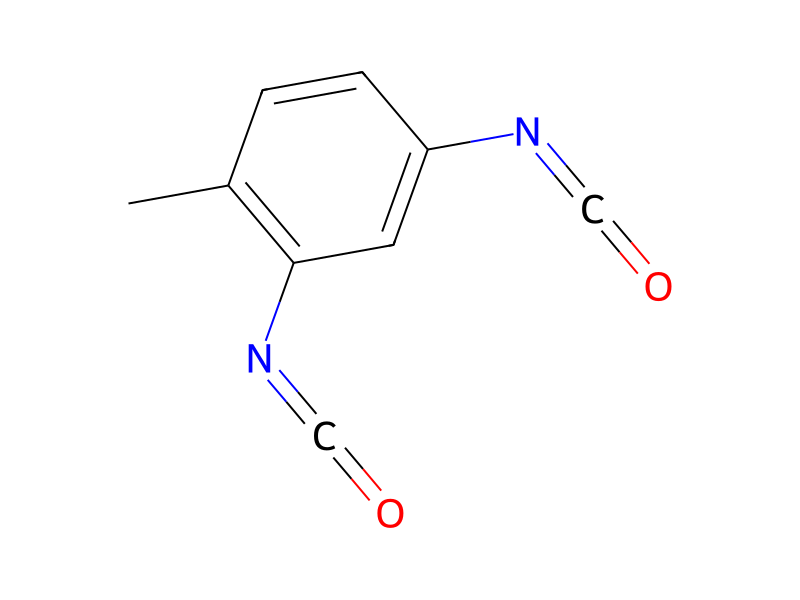
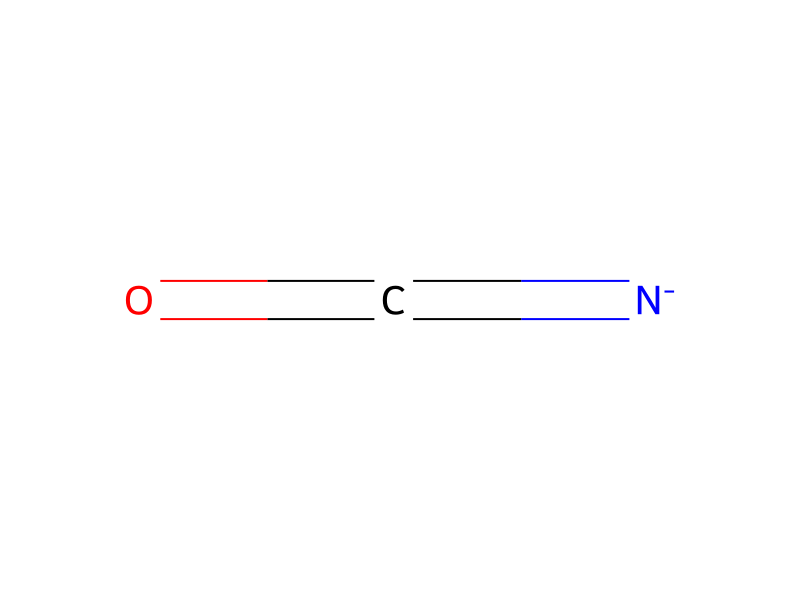
[C:1]1(N=C=O)[CH:6]=[CH:5][C:4]([N:7]=[C:8]=[O:9])=[CH:3][CH:2]=1.C1(N=C=O)C=CC=C([N:19]=[C:20]=[O:21])C=1.[CH3:25][C:26]1[CH:31]=[CH:30][C:29]([N:32]=[C:33]=[O:34])=[CH:28][C:27]=1N=C=O>>[CH:27]1[C:26]([CH2:25][C:1]2[CH:2]=[CH:3][C:4]([N:7]=[C:8]=[O:9])=[CH:5][CH:6]=2)=[CH:31][CH:30]=[C:29]([N:32]=[C:33]=[O:34])[CH:28]=1.[N-:19]=[C:20]=[O:21]Participants
5


Procedure
The polyether segment is reacted with a diisocyanate, e.g., p-phenylene diisocyanate, m-phenylene diisocyanate, 2,4-toluene diisocyanate and isomers thereof, methylenebis(phenyl isocyanate), methylenebis(chlorophenyl isocyanate), and methylenebis(tolyl isocyanate) to produce an isocyanate-terminated prepolymer or oligomer. The toluene diisocyanates are preferred.
Sources & evidence
- ORD record
- ord-e7d13e56ed534cabb1f1dd14fb2a9f9d
- Source dataset
- uspto-grants-1978_03
- Patent number
- US04077921
Reaction notes
Loading…