1-Chloro-4-nitrobenzene → 1-[(2-Methyl-1-phenylpropan-2-yl)oxy]-4-nitrobenzene
Reaction equation

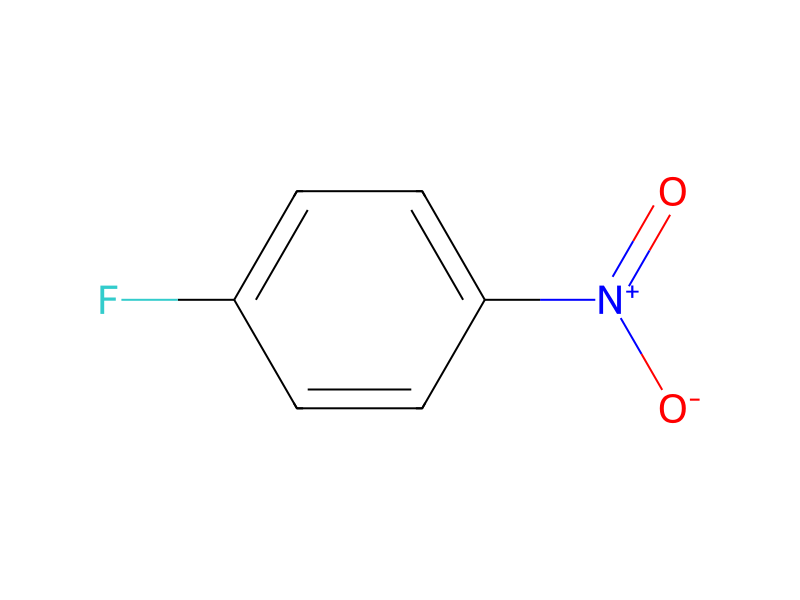
[CH3:1][C:2]([OH:11])([CH3:10])[CH2:3][C:4]1[CH:9]=[CH:8][CH:7]=[CH:6][CH:5]=1.[N+:12]([C:15]1[CH:20]=[CH:19][C:18](F)=[CH:17][CH:16]=1)([O-:14])=[O:13].CC(C)(C1C=CC=CC=1)CO.[N+](C1C=CC(Cl)=CC=1)([O-])=O>>[CH3:10][C:2]([CH3:1])([O:11][C:18]1[CH:19]=[CH:20][C:15]([N+:12]([O-:14])=[O:13])=[CH:16][CH:17]=1)[CH2:3][C:4]1[CH:9]=[CH:8][CH:7]=[CH:6][CH:5]=1Participants
5




Procedure
By a similar manner to reference example 1, 1,1 -dimethyl-2-phenylethylalcohol and 4-nitrofluorobenzene are used in place of 2,2-dimethyl-2-phenylethylalcohol and 4-nitrochlorobenzene respectively to give 4-(1,1-dimethyl-2-phenylethyloxy)-nitrobenzene. Melting point: 78°-79° C.
Sources & evidence
- ORD record
- ord-51b9c8d901b749628f14be1931a81437
- Source dataset
- uspto-grants-1978_03
- Patent number
- US04080505
Reaction notes
Loading…