Sodium Hydroxide → 5-Chloro-4-(2,6-dichloroanilino)-3-thiophenacetonitrile
Reaction equation

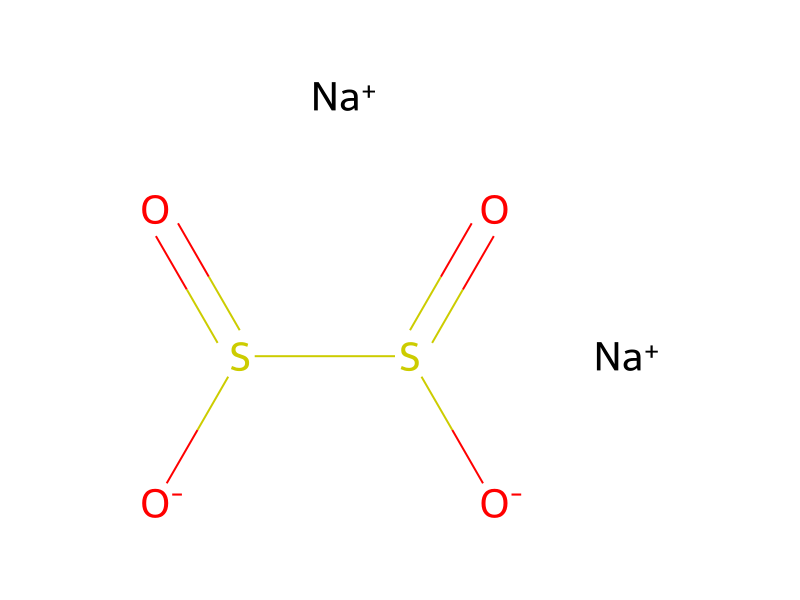
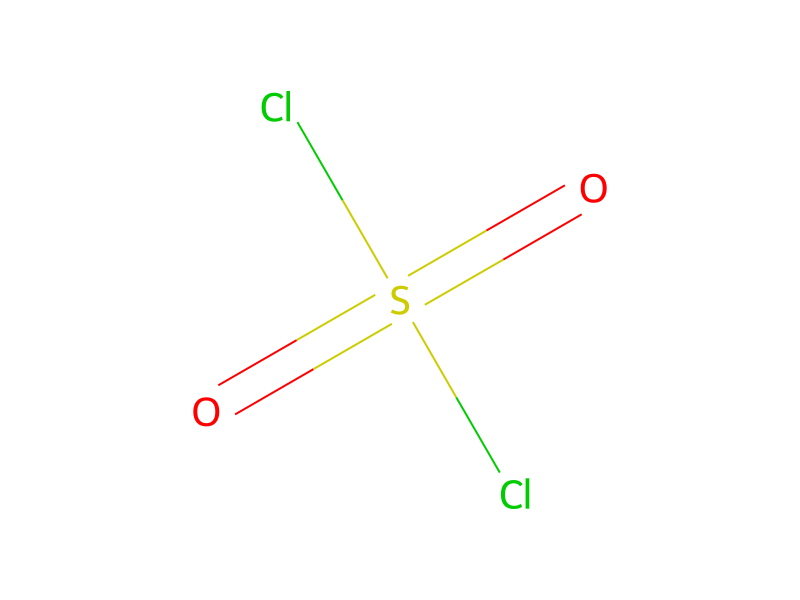
S(Cl)([Cl:4])(=O)=O.[Cl:6][C:7]1[CH:21]=[CH:20][CH:19]=[C:18]([Cl:22])[C:8]=1[NH:9][C:10]1[C:11]([CH2:15][C:16]#[N:17])=[CH:12][S:13][CH:14]=1.S(S([O-])=O)([O-])=O.[Na+].[Na+].[OH-].[Na+]>C(Cl)Cl>[Cl:4][C:14]1[S:13][CH:12]=[C:11]([CH2:15][C:16]#[N:17])[C:10]=1[NH:9][C:8]1[C:18]([Cl:22])=[CH:19][CH:20]=[CH:21][C:7]=1[Cl:6]Participants
6




Procedure
A solution of 135 mg of sulfuryl chloride in 5 ml of methylene chloride is added dropwise to a solution of 283 mg (1 mmole) of 4-(2,6-dichloroanilino)-3-thiophenacetonitrile in 20 ml of methylene chloride at -15°. After 10 minutes, a sodium dithionite solution and 3 ml of 2 N sodium hydroxide solution are added. The organic phase is separated off, dried, clarified with bleaching earth (for example Tonsil®) and concentrated. Recrystallization of the residue from methanol yields 5-chloro-4-(2,6-dichloroanilino)-3-thiophenacetonitrile (m. 128° to 128.5°).
Workup
- customThe organic phase is separated off
- customdried
- concentrationconcentrated
- customRecrystallization of the residue from methanol
Sources & evidence
- ORD record
- ord-9622c208530749cb818c08e2bcff2570
- Source dataset
- uspto-grants-1981_06
- Patent number
- US04272507
Reaction notes
Loading…