Cyclohexene oxide → Cyclohexanol
Reaction equation
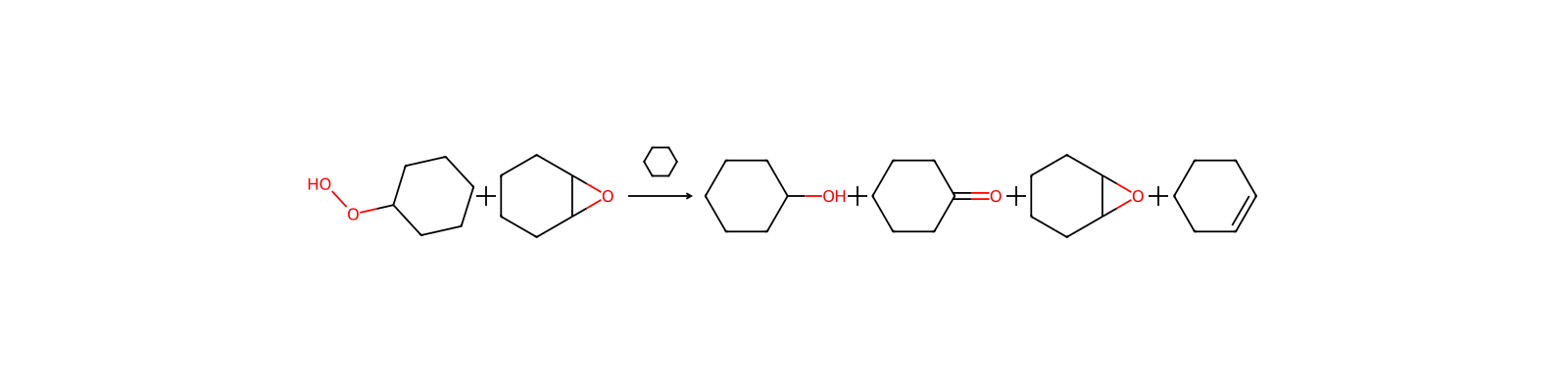
[CH:1]1([O:7]O)[CH2:6][CH2:5][CH2:4][CH2:3][CH2:2]1.[CH:9]12[O:15][CH:10]1[CH2:11][CH2:12][CH2:13][CH2:14]2>C1CCCCC1>[CH:1]1([OH:7])[CH2:6][CH2:5][CH2:4][CH2:3][CH2:2]1.[C:10]1(=[O:15])[CH2:11][CH2:12][CH2:13][CH2:14][CH2:9]1.[CH:1]12[O:7][CH:2]1[CH2:3][CH2:4][CH2:5][CH2:6]2.[CH:1]1[CH2:6][CH2:5][CH2:4][CH2:3][CH:2]=1Participants
7
Reactant 2


Product 4
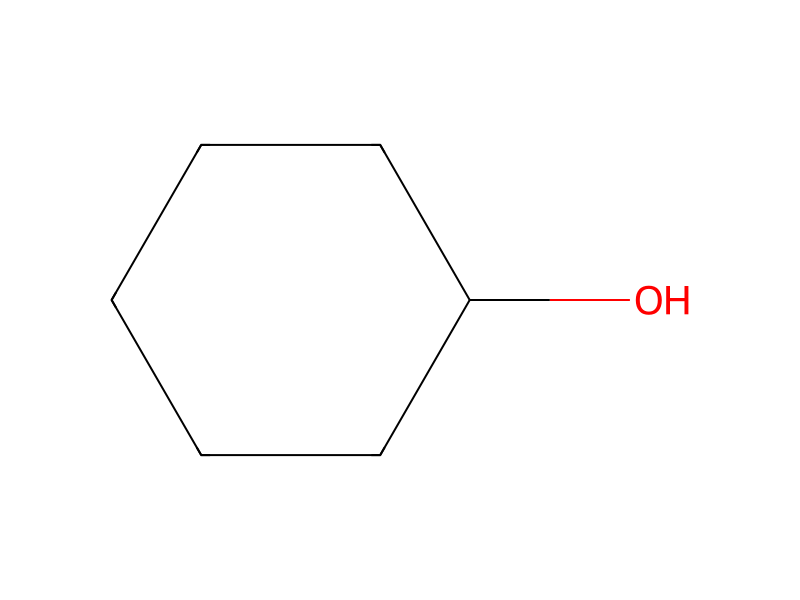


Reagents, catalysts & solvents 1

Procedure
In step b), the cyclohexyl hydroperoxide-containing mixture from step a) and a cyclohexene oxide-containing epoxidation mixture which is produced in step c) and essentially comprises cyclohexanol, cyclohexanone, cyclohexene oxide, cyclohexene, cyclohexane and catalyst are jointly separated by distillation. The mixtures from step a) and step c) to be distilled are advantageously mixed before introduction into the column. On distillation, the following fractions are separated:
Workup
- additioncontaining epoxidation mixture which
Sources & evidence
- ORD record
- ord-81f61183149d46ec9310377195e73480
- Source dataset
- uspto-grants-1992_12
- Patent number
- US05175316
Reaction notes
Loading…