Hydroxylamine HCl → N-(2-Phenyl-3,4-dihydronaphthalen-1(2H)-ylidene)hydroxylamine
Reaction equation

[C:1]1([CH:7]2[CH2:16][CH2:15][C:14]3[C:9](=[CH:10][CH:11]=[CH:12][CH:13]=3)[C:8]2=O)[CH:6]=[CH:5][CH:4]=[CH:3][CH:2]=1.[Cl-].[OH:19][NH3+:20]>N1C=CC=CC=1>[C:1]1([CH:7]2[CH2:16][CH2:15][C:14]3[C:9](=[CH:10][CH:11]=[CH:12][CH:13]=3)[C:8]2=[N:20][OH:19])[CH:6]=[CH:5][CH:4]=[CH:3][CH:2]=1Participants
4
Reactant 2
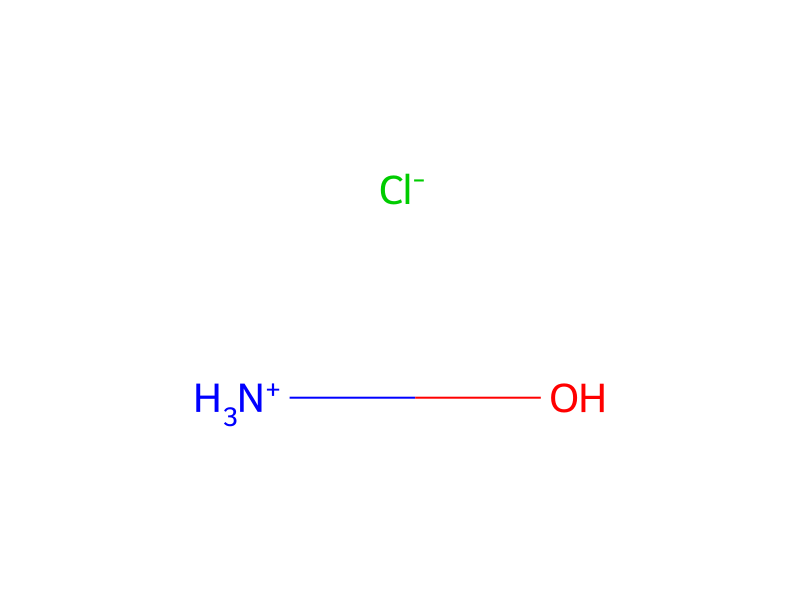

Product 1

Reagents, catalysts & solvents 1

Procedure
A mixture of 2-phenyl-1-tetralone (1.1 g, 5 mmol, J. Am. Chem. Soc. 1949, 71, 1092), hydroxylammonium chloride (0.7 g, 10 mmol) and dry pyridine (30 ml) was heated at reflux for 4 h and then stirred at ambient temperature overnight. The solvent was evaporated in vacuo and the residue was stirred in a mixture of ethyl acetate (50 ml) and 10% citric acid (50 ml). The phases were separated and the organic phase was washed with water and dried (MgSO4). The solvent was evaporated in vacuo to give 1.2 g of 2-phenyl-1-tetralone oxime as a solid. M.p. 156°-157° C.
Workup
- temperaturewas heated
- temperatureat reflux for 4 h
- customThe solvent was evaporated in vacuo
- stirringthe residue was stirred in a mixture of ethyl acetate (50 ml) and 10% citric acid (50 ml)
- customThe phases were separated
- washthe organic phase was washed with water
- dry with materialdried (MgSO4)
- customThe solvent was evaporated in vacuo
Sources & evidence
- ORD record
- ord-fda63738648c4021a97760be1fa57d27
- Source dataset
- uspto-grants-1997_06
- Patent number
- US05639766
Reaction notes
Loading…