4-(Chloromethyl)pyridinium chloride → HCID 19040653, compound
Reaction equation

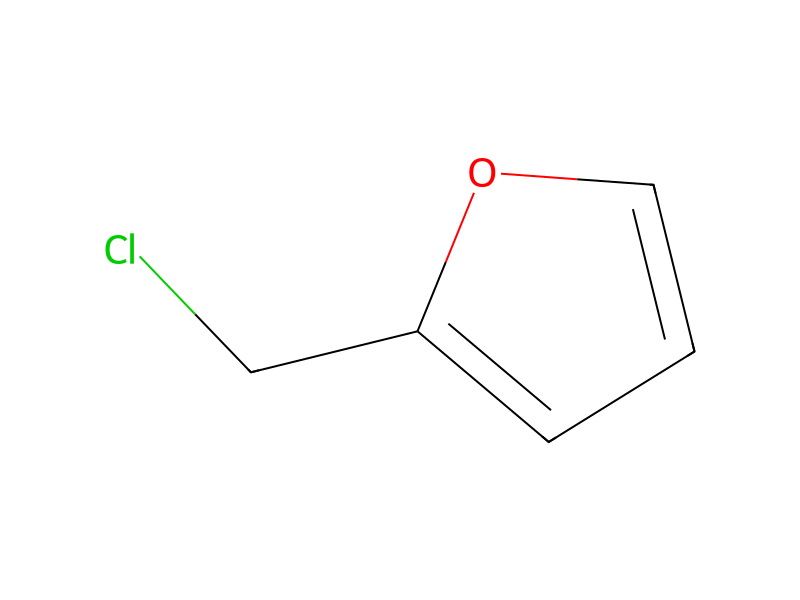
Cl[CH2:2][C:3]1[O:4][CH:5]=[CH:6][CH:7]=1.BrCC1C=COC=1.ClC[CH:17]=[CH:18][C:19]1O[CH:21]=[CH:22][CH:23]=1.BrCC1SC=CC=1.BrCC1C=CSC=1.CC1C=CC(S(O[CH2:49][CH2:50][N:51]2[CH:55]=[CH:54]C=N2)(=O)=O)=CC=1.Cl[CH2:57][N:58]1[CH:62]=NC=N1.Cl.[Cl:64]CC1C=CN=CC=1>>[Cl:64][C:23]1[C:19]2[CH2:18][CH2:17][N:58]([CH3:62])[CH2:57][CH2:7][C:6]=2[C:5]([O:4][CH2:3][C:2]2[CH:49]=[CH:50][N:51]=[CH:55][CH:54]=2)=[CH:21][CH:22]=1Participants
9
Reactant 8



Product 1

Procedure
Using the general procedure of Example 2, replacing 1-(chloromethyl)-1H-pyrazole with 2-(chloromethyl)furan, 3-(bromomethyl) furan, 2-(3-chloro-1-propenyl)furan, 2-(bromomethyl)thiophene, 3-(bromomethyl)thiophene, 2-(1H-pyrazol-1-yl)ethyl 4-methylbenzenesulfonate, 1-(chloro-methyl)-1H-1,2,4-triazole, and 4-(chloromethyl)pyridine hydrochloride gave:
Workup
- customgave
Sources & evidence
- ORD record
- ord-211bd68e84fb450ea248c50fdad8ef86
- Source dataset
- uspto-grants-1997_06
- Patent number
- US05639748
Reaction notes
Loading…