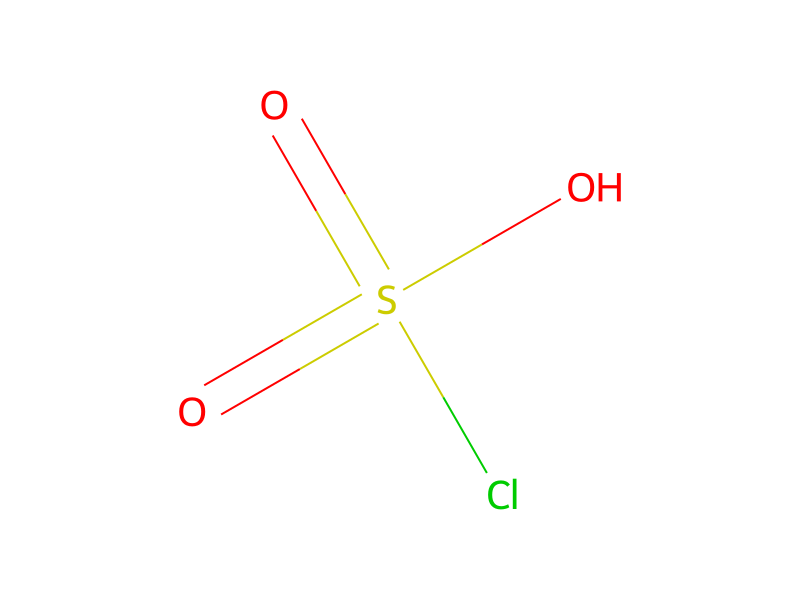
Chlorosulfonic acid → HCID 66906927, compound
Reaction equation

[N+]([C:4]1[CH:9]=[CH:8][C:7]([C:10]([NH:13][S:14]([C:17]2[C:18]3[C:19]4[C:23](=[CH:24][CH:25]=2)[NH:22][C:21](=[O:26])[C:20]=4[CH:27]=[CH:28][CH:29]=3)(=[O:16])=[O:15])(F)[CH3:11])=[CH:6][CH:5]=1)([O-])=O.[NH:30]1C2C3C(=CC=CC=3[C:31]1=O)C=CC=2.ClS(O)(=O)=[O:45]>O>[C:31]([C:4]1[CH:9]=[CH:8][C:7]([C:10]([NH:13][S:14]([C:17]2[C:18]3[C:19]4[C:23](=[CH:24][CH:25]=2)[NH:22][C:21](=[O:26])[C:20]=4[CH:27]=[CH:28][CH:29]=3)(=[O:16])=[O:15])([OH:45])[CH3:11])=[CH:6][CH:5]=1)#[N:30]Participants
Reactant 3


Product 1

Reagents, catalysts & solvents 1

Conditions
- Temperature
- 60 °C
Procedure
MATERIALS AND METHODS: All chemicals and reagents were used as received from the supplier. TLC's were run on EMD Silica Gel 60 F254 coated plates. Melting points were determined using a Fisher-Johns melting point apparatus and are uncorrected. 1H-NMR spectra were run on a Bruker Advance WB 300 MHz instrument, using TMS as an internal standard. 1-Hydroxy-1-(4-cyanophenyl)bromoethane (1). Sodium borohydride reduction of 4-cyano-α-bromoacetophenone produced hydroxy compound (1). 6-Chlorosulfonylbenz[cd]indol-2(1H)-one (2). Benz[cd]indol-2(1H)-one (2.523 g; 14.9 mmoles) was added slowly to 5.1 ml of chlorosulfonic acid while keeping the temperature below 15° C. The reaction mixture was heated to 60° C. and held there until no more HCL gas evolved. Then, the reaction mixture was poured into 125 ml of cold water. The resulting solid suspension was extracted twice with ethyl acetate. The combined ethyl acetate extracts were washed with water, saturated sodium bicarbonate, saturated brine, then dried with sodium sulfate. The solvent was removed and the residue was recrystallized from chloroform/ethyl acetate. The yield of the sulfonamide compound was 1.620 g (41%). A Beilstein test confirmed the presence of the chlorine atom. Melting point was 194-197° C. (dec) 1H-NMR (d6DMSO) δ 6.86 (d, 1H, Ar), 7.79 (m, 2H, Ar), 7.98 (d, 1H, Ar), 8.72 (d, 1H, Ar), 10.83 (s, 1H, NH). 6-{N-[1-(4-cyanophenyl)-1-hydroxyethyl]sulfamoyl}benz[cd]indol-2-(1H)-one (3). 1-Hydroxy-1-(4-cyanophenyl)bromoethane (1), 4-chlorosulfonylbenz [cd]indol-2(1H)-one (4), and triethylamine were dissolved in anhydrous dimethylformamide with stirring. The reaction was heated at 100° C. for 20 hours. The solvent was removed under reduced pressure. The residue was dissolved in ethyl acetate washed with 0.5 N HCl, water, followed by saturated brine. The ethyl acetate layer was dried with sodium sulfate, the solvent was removed and the residue recrystallized to give compound (3). 6-{N-[1-(4-carboxyphenyl)-1-hydroxyethyl]sulfamoyl}benz[cd]indol-2(1H)-one (4). Hydrolysis of 6-{N-[1-(4-cyanophenyl)-1-hydroxyethyl]sulfamoyl}benz[cd]indol-2-(1H)-one (3) gave the carboxylic derivative (4).
Workup
- customthe temperature below 15° C
- extractionThe resulting solid suspension was extracted twice with ethyl acetate
- washThe combined ethyl acetate extracts were washed with water, saturated sodium bicarbonate, saturated brine
- dry with materialdried with sodium sulfate
- customThe solvent was removed
- customthe residue was recrystallized from chloroform/ethyl acetate
- dissolution1-Hydroxy-1-(4-cyanophenyl)bromoethane (1), 4-chlorosulfonylbenz [cd]indol-2(1H)-one (4), and triethylamine were dissolved in anhydrous dimethylformamide
- temperatureThe reaction was heated at 100° C. for 20 hours
- customThe solvent was removed under reduced pressure
- dissolutionThe residue was dissolved in ethyl acetate
- washwashed with 0.5 N HCl, water
- dry with materialThe ethyl acetate layer was dried with sodium sulfate
- customthe solvent was removed
- customthe residue recrystallized
Sources & evidence
- ORD record
- ord-61a0628145e44ebdb22e9faa71ae4256
- Source dataset
- uspto-grants-2012_04
- Patent number
- US08153410B2
Reaction notes
Loading…