Dihydrouracil → ethyl 2-(1-methyl-2,6-dioxo-2,3-dihydro-1H-purin-7(6H)-yl)acetate
Reaction equation

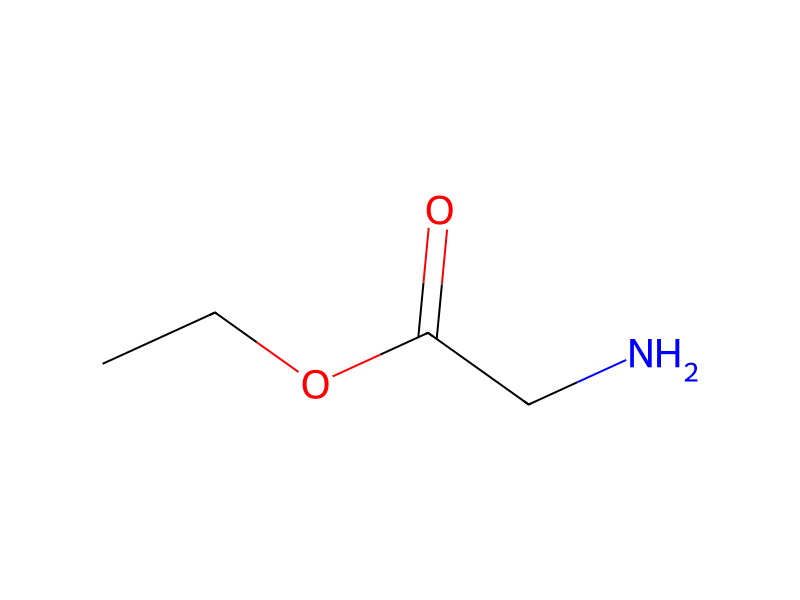
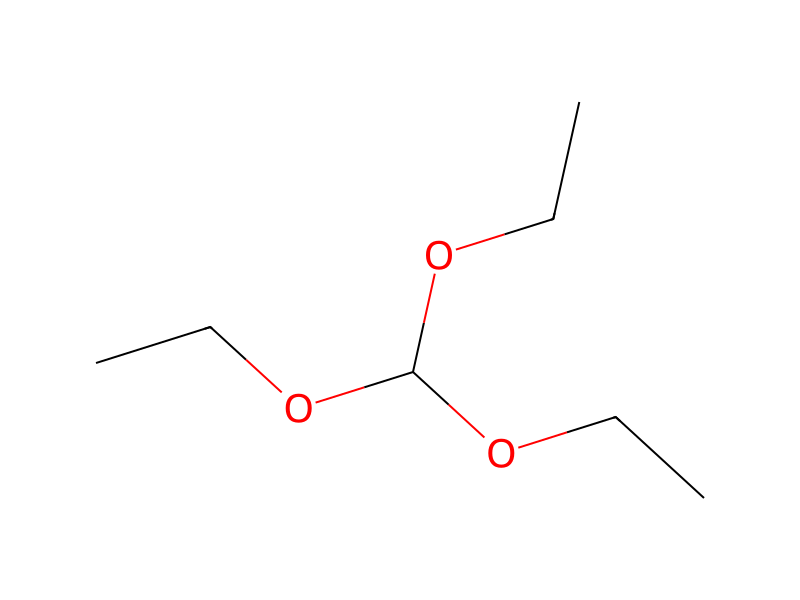
[NH:1]1[CH2:6][CH2:5][C:4](=O)[NH:3][C:2]1=O.[CH2:9]([NH:12][C:13]([NH2:15])=[O:14])CC.[C:16]([CH2:18][C:19]([O:21]CC)=O)#[N:17].BrBr.[NH2:26][CH2:27][C:28]([O:30][CH2:31][CH3:32])=[O:29].[CH2:33](OC(OCC)OCC)C>>[NH:1]1[CH:6]=[C:5]2[C:4]([N:12]=[CH:13][NH:15]2)=[N:3][CH2:2]1.[CH3:9][N:12]1[C:19](=[O:21])[C:18]2[N:26]([CH2:27][C:28]([O:30][CH2:31][CH3:32])=[O:29])[CH:33]=[N:17][C:16]=2[NH:15][C:13]1=[O:14]Participants
8






Procedure
Dihydropyrimidine-dione 2 can be prepared by reacting 1-propylurea (1) and ethyl 2-cyanoacetate, which can be subsequently treated with bromine, ethyl 2-aminoacetate, and triethoxymethane to yield compound 6, ethyl 2-(1-methyl-2,6-dioxo-2,3-dihydro-1H-purin-7(6H)-yl)acetate. The obtained dihydropurine 6 can be converted to compound 10 through alkylation reaction, hydrolysis, and a coupling reaction catalyzed by CDI.
Sources & evidence
- ORD record
- ord-f04cdfdca6fa4066a197cf53859017e4
- Source dataset
- uspto-grants-2012_04
- Patent number
- US08163761B2
Reaction notes
Loading…