Acetate → 3beta-Acetoxy-14beta-hydroxyandrostan-17-one
Reaction equation

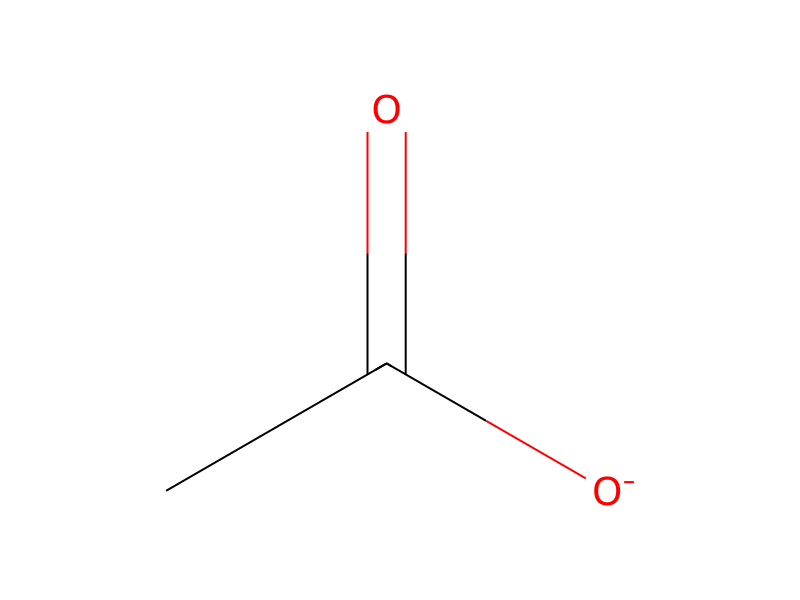
[OH:1][C@H:2]1[CH2:19][CH2:18][C@@:17]2([CH3:20])[CH:4]([CH2:5][CH2:6][C@@H:7]3[C@@H:16]2[CH2:15][CH2:14][C@@:12]2([CH3:13])[C@:8]3([OH:22])[CH2:9][CH2:10][C:11]2=[O:21])[CH2:3]1.[C:23](OC(=O)C)(=[O:25])[CH3:24].C([O-])(=O)C>N1C=CC=CC=1>[C:23]([O:1][C@H:2]1[CH2:19][CH2:18][C@@:17]2([CH3:20])[CH:4]([CH2:5][CH2:6][C@@H:7]3[C@@H:16]2[CH2:15][CH2:14][C@@:12]2([CH3:13])[C@:8]3([OH:22])[CH2:9][CH2:10][C:11]2=[O:21])[CH2:3]1)(=[O:25])[CH3:24]Participants
5
Reactant 3


Product 1

Reagents, catalysts & solvents 1

Procedure
3β,14β-Dihydroxyandrostan-17-one (70 mg.) was dissolved in 5 ml. of pyridine and treated with 1 ml. of acetic anhydride at room temperature for 15 hours. After evaporation of solvents, the residue was crystallized from ether to give 70 mg. of the acetate, m.p. 182°-184°.
Workup
- customAfter evaporation of solvents
- customthe residue was crystallized from ether
- customto give 70 mg
Sources & evidence
- ORD record
- ord-6abfa07506334079b039c99f2115eeb9
- Source dataset
- uspto-grants-1980_03
- Patent number
- US04193878
Reaction notes
Loading…