Carbon Dioxide → N-(2,6-Diethyl-phenyl)-N'-tert.-butyl-thiourea
Reaction equation

[CH2:1]([C:3]1[CH:8]=[CH:7][CH:6]=[C:5]([CH2:9][CH3:10])[C:4]=1[N:11]=[C:12]=[S:13])[CH3:2].C([C:16]1C=CC=[C:19](CC)[C:17]=1[NH2:18])C.[C:25](=O)([O-])[O-].[Ca+2].C(Cl)(Cl)=S.C(=O)=O>C(Cl)Cl.O>[CH2:1]([C:3]1[CH:8]=[CH:7][CH:6]=[C:5]([CH2:9][CH3:10])[C:4]=1[NH:11][C:12]([NH:18][C:17]([CH3:19])([CH3:25])[CH3:16])=[S:13])[CH3:2]Participants
8
Reactant 5


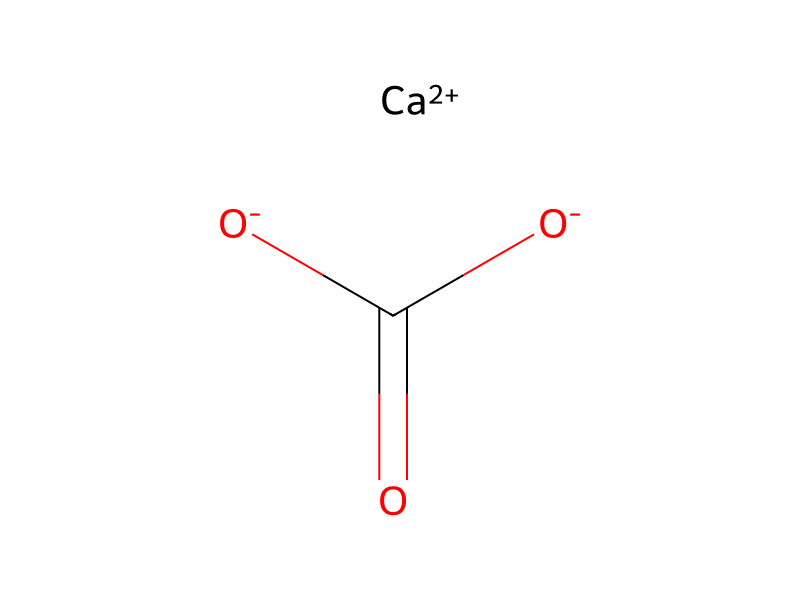


Product 1

Reagents, catalysts & solvents 2


Procedure
2,6-Diethyl-phenyl isothiocyanate can be prepared as follows: 100 g of 2,6-diethylaniline in 200 ml of methylene chloride are added dropwise at 0°-5°, whilst stirring, to a mixture of 500 ml of methylene chloride, 300 ml of water, 120 g of calcium carbonate and 92 g of thiophosgene. The mixture is then heated to the reflux temperature until the evolution of CO2 has ended. The cooled batch is filtered and the methylene chloride layer is separated off, dried with calcium chloride and fractionated.
Workup
- filtrationThe cooled batch is filtered
- customthe methylene chloride layer is separated off
- dry with materialdried with calcium chloride
Sources & evidence
- ORD record
- ord-f9f97215daf94e67ae5df4197d44dfa3
- Source dataset
- uspto-grants-1980_03
- Patent number
- US04194008
Reaction notes
Loading…