Sulfuric Acid → 3,5-Dichloro-2-pyridone
Reaction equation

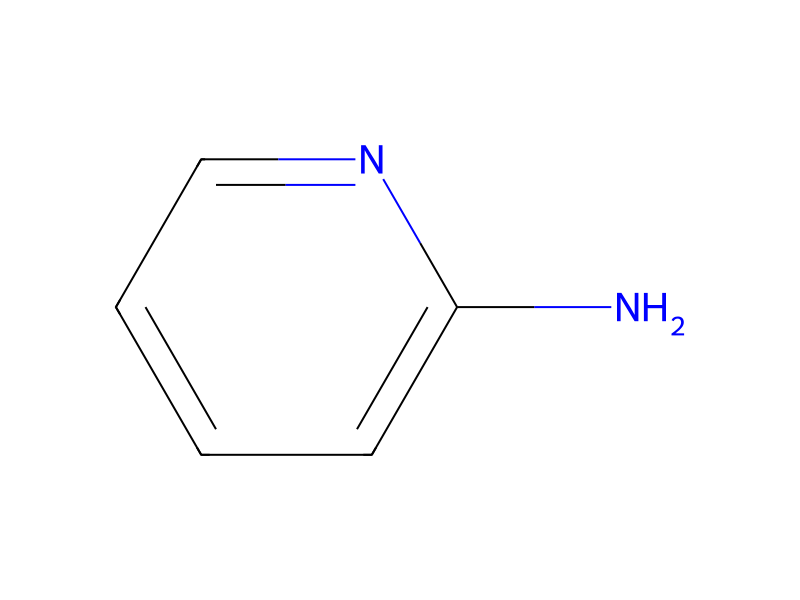
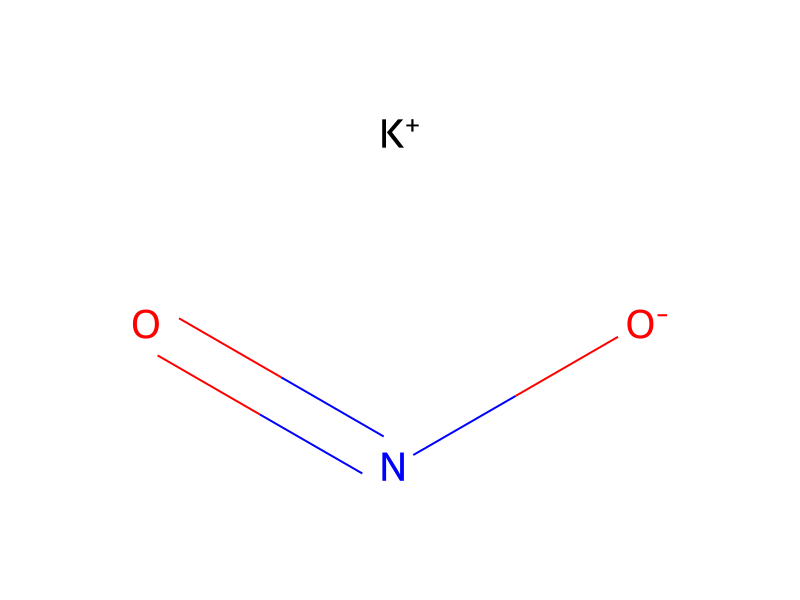
C[N:2]1[CH:7]=[C:6]([Cl:8])[CH:5]=[C:4]([Cl:9])[C:3]1=[O:10].NC1C=CC=CN=1.N([O-])=O.[K+].S(=O)(=O)(O)O.N1C=CC=CC1=O>>[Cl:9][C:4]1[C:3](=[O:10])[NH:2][CH:7]=[C:6]([Cl:8])[CH:5]=1Participants




Procedure
The production of 2,3,5-trichloropyridine by reaction of N-methyl-3,5-dichloro-2-pyridone with phosgene as solvent is known. The process comprises introducing N-methyl-3,5-dichloro-2-pyridone into a toluene solution of phosgene, and heating the mixture in a closed system for 3 hours at 150° C. 2,3,5-Trichloropyridine is obtained in this manner in a yield of about 90% of theory (Ann. Chem. 486, 78-79 (1931)). The N-methyl-3,5-dichloro-2-pyridone required as starting material for carrying out this process is obtainable by reaction of 2-aminopyridine with potassium nitrite in a sulfuric acid solution to 2-pyridone (Arch. Pharm. 240, 250 (1903)), chlorination of this to give 3,5-dichloro-2-pyridone (J. Org. Chem. 23, 1614 (1958)), and subsequent methylation thereof (Ann. Chem. 486, 74 (1931).
Sources & evidence
- ORD record
- ord-7f4c715e8eab41d9a617c6fb83cfb72b
- Source dataset
- uspto-grants-1983_04
- Patent number
- US04379938
Reaction notes
Loading…