Pyridine → HCID 15592287, compound
Reaction equation

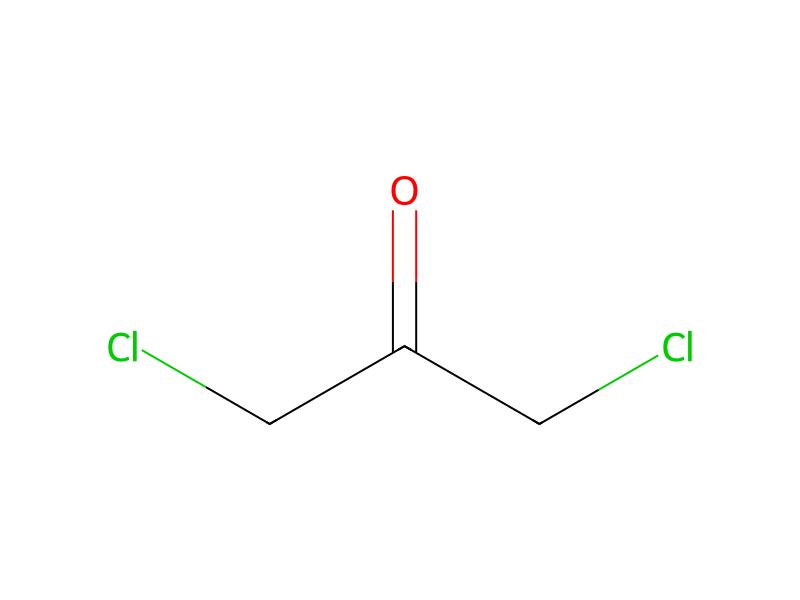
[C:1]([N:10]([CH2:12][C:13]([NH2:15])=[S:14])[CH3:11])([O:3][C:4]1[CH:9]=[CH:8][CH:7]=[CH:6][CH:5]=1)=[O:2].N1C=CC=CC=1.[Cl:22][CH2:23][C:24](=O)[CH2:25]Cl>C(O)C>[Cl:22][CH2:23][C:24]1[N:15]=[C:13]([CH2:12][N:10]([C:1]([O:3][C:4]2[CH:9]=[CH:8][CH:7]=[CH:6][CH:5]=2)=[O:2])[CH3:11])[S:14][CH:25]=1Participants
Reactant 3


Product 1

Reagents, catalysts & solvents 1

Procedure
To a cooled solution of (N-carbophenoxy-N-methylamino)thioacetamide (1.0 g; 4.46 mmoles) and dry pyridine (0.36 ml, 4.46 mmoles) in 6 ml of absolute ethanol was added a solution of 1,3-dichloropropanone (0.57 g; 4.49 mmoles) in 3 ml of absolute ethanol. The mixture was heated at reflux temperature for 1.5 hours, then evaporated under reduced pressure and the oil residue partitioned between ether and water. The aqueous layer was extracted with ether and the combined ether phase was washed with water, saturated aqueous sodium chloride solution and dried. Filtration and evaporation yielded 1.02 g of the title compound as a viscous oil; TLC [silica/CH2Cl2 :CH3CN (85:15)] gave Rf=0.82. The NMR spectrum (60 MHz) in CDCl3 gave the following resonances δ: 7.16 (m, 6H); 4.77 (broad s, 2H); 4.60 (s, 2H); 3.07 (broad s, 3H).
Workup
- temperatureThe mixture was heated
- temperatureat reflux temperature for 1.5 hours
- customevaporated under reduced pressure
- customthe oil residue partitioned between ether and water
- extractionThe aqueous layer was extracted with ether
- washthe combined ether phase was washed with water, saturated aqueous sodium chloride solution
- customdried
- filtrationFiltration and evaporation
Sources & evidence
- ORD record
- ord-66e37d7ab2414ac0bb0b7a006c248af7
- Source dataset
- uspto-grants-1983_04
- Patent number
- US04380638
Reaction notes
Loading…