Cyclohexene → HCID 20333854, compound
Reaction equation

Br[C:2]1[O:3][C:4]2[CH:20]=[CH:19][C:18]([Cl:21])=[CH:17][C:5]=2[C:6]=1[C:7]1[CH:8]=[C:9]([CH2:13][C:14]([OH:16])=[O:15])[CH:10]=[CH:11][CH:12]=1.C1CCCCC=1.[N+:28]([O-:33])([N+]([O-])=O)=[O:29]>C(Cl)(Cl)Cl>[Cl:21][C:18]1[CH:19]=[CH:20][C:4]2[O:3][C:2]([N+:28]([O-:33])=[O:29])=[C:6]([C:7]3[CH:8]=[C:9]([CH2:13][C:14]([OH:16])=[O:15])[CH:10]=[CH:11][CH:12]=3)[C:5]=2[CH:17]=1Participants
5
Reactant 3

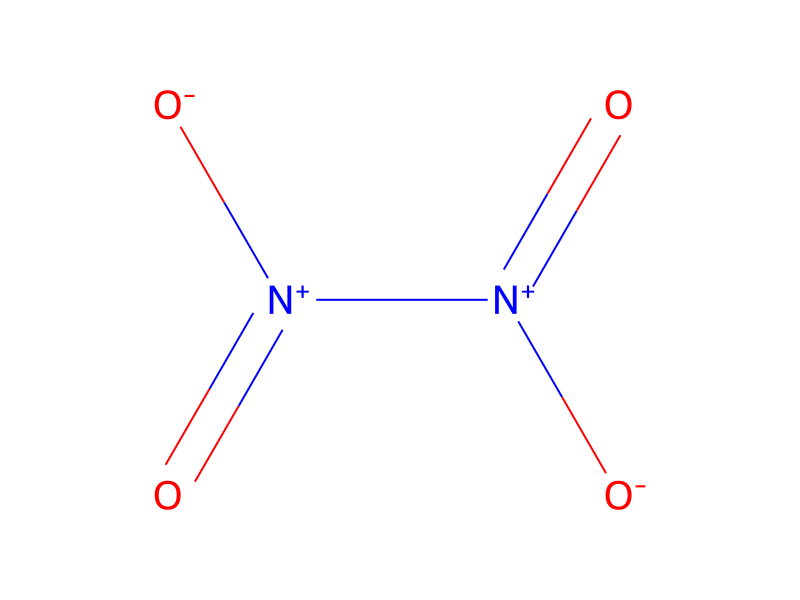

Product 1

Reagents, catalysts & solvents 1

Procedure
A solution of 3-(2-bromo-5-chloro-3-benzofuranyl)-phenylacetic acid in chloroform with 1.5 equivalents of cyclohexene is treated with 1.5 equivalents of dinitrogen tetroxide and stirred for about 20 hours at room temperature. The mixture is washed with water, extracted with saturated sodium bicarbonate solution, then the aqueous extracts are acidified. The mixture is extracted with dichloromethane, which is dried and concentrated. The residue is recrystallized from a mixture of benzene and hexane to provide 3-(5-chloro-2-nitro-3-benzofuranyl)phenylacetic acid.
Workup
- washThe mixture is washed with water
- extractionextracted with saturated sodium bicarbonate solution
- extractionThe mixture is extracted with dichloromethane, which
- customis dried
- concentrationconcentrated
- customThe residue is recrystallized from a mixture of benzene and hexane
Sources & evidence
- ORD record
- ord-6cdbee8f698f47e9aae7b7889996c683
- Source dataset
- uspto-grants-1978_11
- Patent number
- US04124605
Reaction notes
Loading…