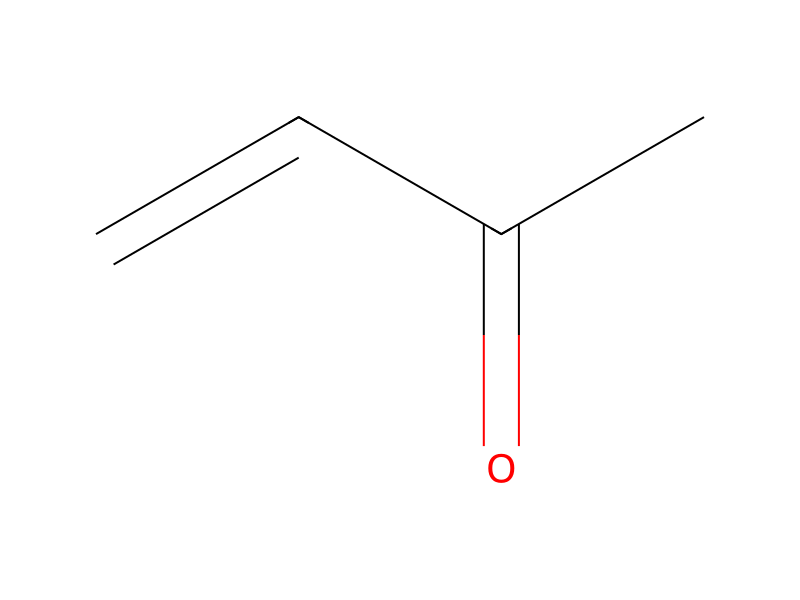
Methyl vinyl ketone → Ethyl 2-(isonicotinoyl)-5-oxohexanoate
Reaction equation

[C:1]([CH2:9][C:10]([O:12][CH2:13][CH3:14])=[O:11])(=[O:8])[C:2]1[CH:7]=[CH:6][N:5]=[CH:4][CH:3]=1.[CH:15]([C:17]([CH3:19])=[O:18])=[CH2:16]>>[C:1]([CH:9]([CH2:16][CH2:15][C:17](=[O:18])[CH3:19])[C:10]([O:12][CH2:13][CH3:14])=[O:11])(=[O:8])[C:2]1[CH:7]=[CH:6][N:5]=[CH:4][CH:3]=1Participants
3


Procedure
3-(4-Pyridinyl)-2-cyclohexen-1-one is obtained by modifying the procedure described in Example B-1 as follows: Ethyl isonicotinoylacetate and methyl vinyl ketone are reacted as in Example B-1 to yield ethyl 2-(isonicotinoyl)-5-oxohexanoate which is then reacted with 35% aqueous sodium hydroxide solution at 25°-30° C. to produce ethyl 3-(4-pyridinyl)-2-cyclohexen-1-one-4-carboxylate and the 4-carboxylate is heated with aqueous sulfuric acid at 95° C. until the evolution of carbon dioxide ceases, thereby producing 3-(4-pyridinyl)-2-cyclohexen-1-one.
Sources & evidence
- ORD record
- ord-3285e61c85824285b23407419a83c7c0
- Source dataset
- uspto-grants-1978_11
- Patent number
- US04127583
Reaction notes
Loading…