Acetic Acid → N-(3-(allyloxy)-4-chloro-6-fluorophenyl)-3,4,5,6-tetrahydrophthalimide
Reaction equation

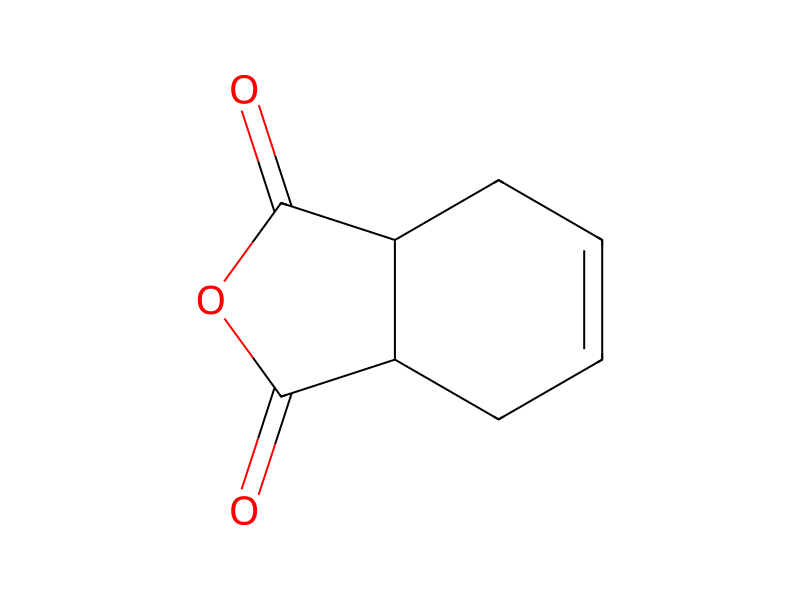
[CH2:1]([O:4][C:5]1[CH:6]=[C:7]([C:9]([F:13])=[CH:10][C:11]=1[Cl:12])[NH2:8])[CH:2]=[CH2:3].[CH2:14]1[CH:19]2[C:20]([O:22][C:23](=O)[CH:18]2[CH2:17][CH:16]=[CH:15]1)=[O:21].C(O)(=O)C>O>[CH2:1]([O:4][C:5]1[CH:6]=[C:7]([N:8]2[C:20](=[O:21])[C:19]3[CH2:14][CH2:15][CH2:16][CH2:17][C:18]=3[C:23]2=[O:22])[C:9]([F:13])=[CH:10][C:11]=1[Cl:12])[CH:2]=[CH2:3]Participants
5




Procedure
A mixture of 9.0 g of 19A, 6.8 g of THPA and 100 mL of glacial acetic acid was heated at reflux temperature for 4 hours. The resulting mixture was cooled to room temperature, poured into 450 mL of water and extracted with ether. The extract phase was washed with water, dried (Na2SO4), and filtered, and the solvent was evaporated from the filtrate. The residue was flash-chromatographed on silica gel, with a 15:85 v:v mixture of ethyl acetate and hexane as eluent, to give N-(3-(allyloxy)-4-chloro-6-fluorophenyl)-3,4,5,6-tetrahydrophthalimide (19B), as an orange oil.
Workup
- temperaturewas heated
- temperatureat reflux temperature for 4 hours
- extractionextracted with ether
- washThe extract phase was washed with water
- dry with materialdried (Na2SO4)
- filtrationfiltered
- customthe solvent was evaporated from the filtrate
- customThe residue was flash-chromatographed on silica gel, with a 15:85 v
- additionv mixture of ethyl acetate and hexane as eluent
Sources & evidence
- ORD record
- ord-c9ebfa4de63649a88eed276a98377b5f
- Source dataset
- uspto-grants-1990_08
- Patent number
- US04948418
Reaction notes
Loading…