HCID 54716335, compound → HCID 9967782, compound
Reaction equation

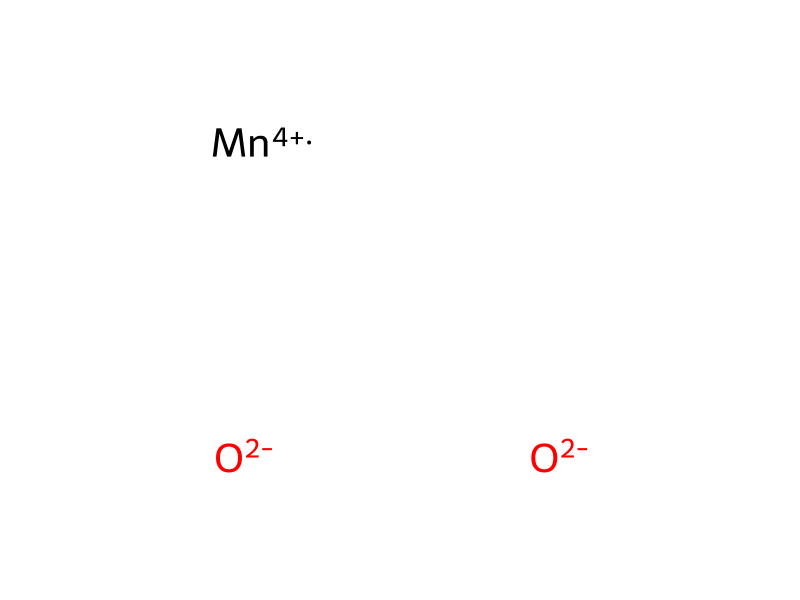
[OH:1][C:2]1[C:11]2[C:6](=[CH:7][CH:8]=[CH:9][CH:10]=2)[N:5]([C:12]2[CH:17]=[CH:16][CH:15]=[CH:14][CH:13]=2)[CH2:4][C:3]=1[C:18]([NH:20][C:21]1[CH:26]=[CH:25][CH:24]=[CH:23][CH:22]=1)=[O:19]>C1(C)C=CC=CC=1.[O-2].[O-2].[Mn+4]>[O:1]=[C:2]1[C:11]2[C:6](=[CH:7][CH:8]=[CH:9][CH:10]=2)[N:5]([C:12]2[CH:17]=[CH:16][CH:15]=[CH:14][CH:13]=2)[CH:4]=[C:3]1[C:18]([NH:20][C:21]1[CH:26]=[CH:25][CH:24]=[CH:23][CH:22]=1)=[O:19]Participants
4
Reactant 1

Product 1

Reagents, catalysts & solvents 2

Procedure
A solution of 15.0 g of 1,2-dihydro-4-hydroxy-1-phenyl-N-phenyl-3-quinolinecarboxamide in 250 ml of toluene was treated with 60.0 g of activated manganese dioxide and stirred at room temperature for four hours. The slurry was filtered and evaporated. The residue was purified first by flash chromatography (silica gel: dichloromethane as eluent), and then by high pressure liquid chromatography (silica gel: dichloromethane). Recrystallization of the residue from dichloromethane yielded 6.75 g (45%) of 1,4-dihydro-4-oxo-1-phenyl-N-phenyl-3-quinolinecarboxamide, m.p. 203°-205° C.
Workup
- filtrationThe slurry was filtered
- customevaporated
- customThe residue was purified first by flash chromatography (silica gel: dichloromethane as eluent)
- customRecrystallization of the residue from dichloromethane
Sources & evidence
- ORD record
- ord-522f3dfd85424e54a984f296912b3dde
- Source dataset
- uspto-grants-1990_08
- Patent number
- US04952588
Reaction notes
Loading…