Phthalic Anhydride → ethyl 2-(1,3-dioxoisoindol-2-yl)propanoate
Reaction equation

[C:1]1(=[O:11])[O:6][C:4](=O)[C:3]2=[CH:7][CH:8]=[CH:9][CH:10]=[C:2]12.[NH2:12][CH:13]([CH3:19])[C:14]([O:16][CH2:17][CH3:18])=[O:15]>C1CCCCC1>[O:11]=[C:1]1[C:2]2[C:3](=[CH:7][CH:8]=[CH:9][CH:10]=2)[C:4](=[O:6])[N:12]1[CH:13]([CH3:19])[C:14]([O:16][CH2:17][CH3:18])=[O:15]Participants
4
Reactant 2
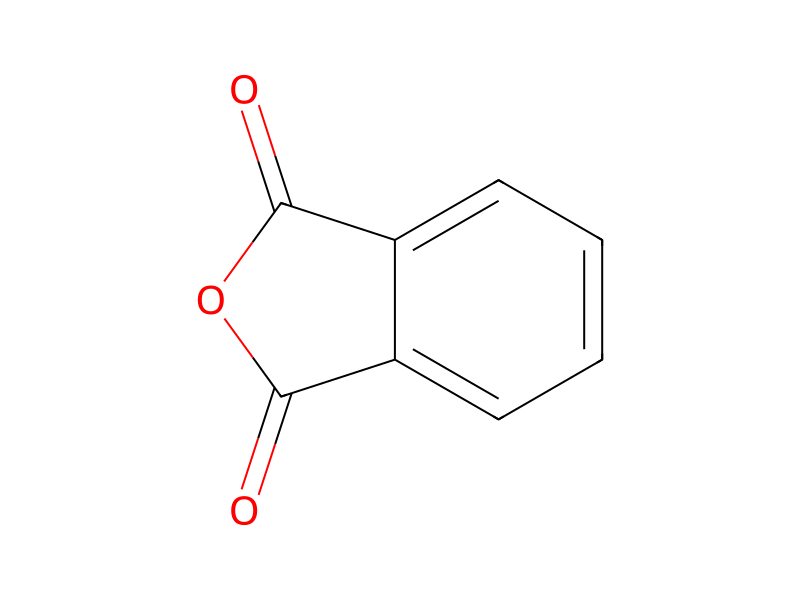

Product 1

Reagents, catalysts & solvents 1

Procedure
20.87 g (0.141 mol) of phthalic anhydride together with 16.5 g (0.141 mol) of ethyl aminopropionate in an open round-bottom flask at 120° C. for 5 h. 300 ml of cyclohexane are added, and the mixture is heated to reflux. The hot cyclohexane solution is decanted off from the remaining oil and completely concentrated. A slowly solidifying viscous oil is obtained (31 g, 89% yield).
Workup
- temperaturethe mixture is heated to reflux
- customThe hot cyclohexane solution is decanted off from the remaining oil
- concentrationcompletely concentrated
- customis obtained (31 g, 89% yield)
Sources & evidence
- ORD record
- ord-1401872a989446519dd536cd0dce47fe
- Source dataset
- uspto-grants-2010_09
- Patent number
- US07795278B2
Reaction notes
Loading…