Thiophosgene → (S)-2-phenyl-4-(1-isothiocyanato-2-(4-nitrophenyl)ethyl)thiazole
Reaction equation

Br.[N+:2]([C:5]1[CH:10]=[CH:9][C:8]([CH2:11][C@@H:12]([C:14]2[N:15]=[C:16]([C:19]3[CH:24]=[CH:23][CH:22]=[CH:21][CH:20]=3)[S:17][CH:18]=2)[NH2:13])=[CH:7][CH:6]=1)([O-:4])=[O:3].C([O-])([O-])=O.[Ca+2].[C:30](Cl)(Cl)=[S:31]>O>[N:13]([C@H:12]([C:14]1[N:15]=[C:16]([C:19]2[CH:20]=[CH:21][CH:22]=[CH:23][CH:24]=2)[S:17][CH:18]=1)[CH2:11][C:8]1[CH:7]=[CH:6][C:5]([N+:2]([O-:4])=[O:3])=[CH:10][CH:9]=1)=[C:30]=[S:31]Participants
5




Procedure
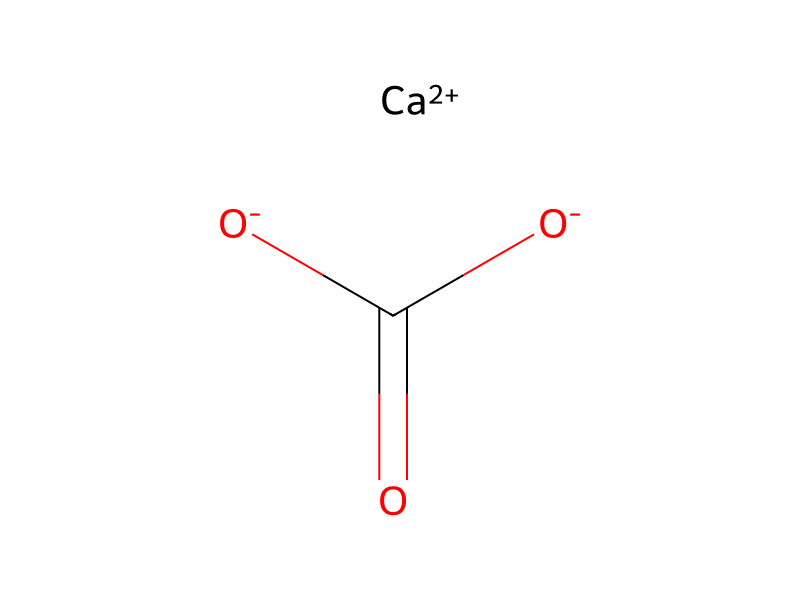
To a solution of (S)-2-(4-nitrophenyl)-1-(2-phenylthiazol-4-yl)ethanamine hydrobromide salt, 38, (2.03 g, 5 mmol) and CaCO3 (1 g, 10 mmol) in CC4/water (10:7.5 mL) is added thiophosgene (0.46 mL, 6 mmol). The reaction is stirred at room temperature for 18 hours then diluted with CH2C2 and water. The layers are separated and the aqueous layer extracted with CH2Cl2. The combined organic layers are washed with brine, dried (Na2SO4) and concentrated in vacuo to a residue that is purified over silica (CH2Cl2) to afford 1.71 g (93% yield) of the desired product. ESI+ MS 368 (M+1).
Workup
- customThe layers are separated
- extractionthe aqueous layer extracted with CH2Cl2
- washThe combined organic layers are washed with brine
- dry with materialdried (Na2SO4)
- concentrationconcentrated in vacuo to a residue that
- customis purified over silica (CH2Cl2)
Sources & evidence
- ORD record
- ord-170fe2e605464aeea9ace79265cb72c4
- Source dataset
- uspto-grants-2010_09
- Patent number
- US07795444B2
Reaction notes
Loading…