Pyridine → HCID 68517286, compound
Reaction equation

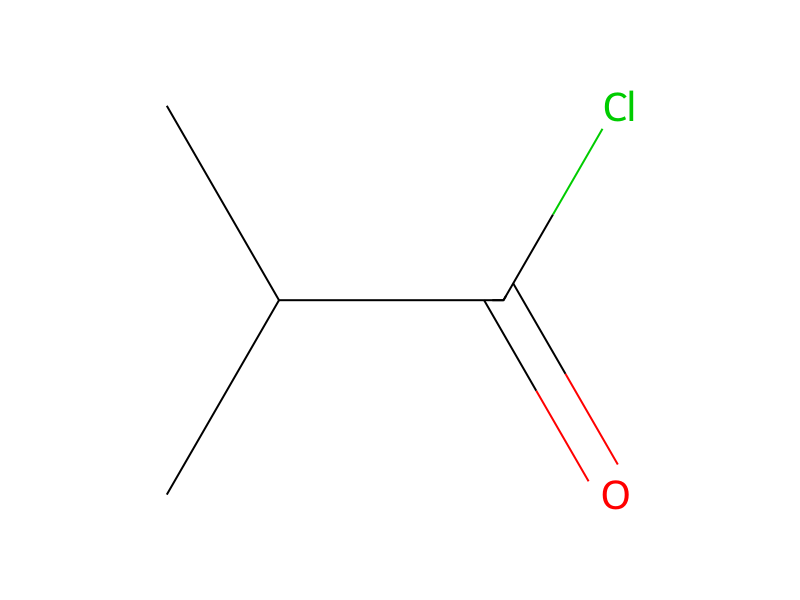
[NH2:1][C:2]1[CH:7]=[CH:6][C:5]([N:8]2[C:12]([CH2:13][CH2:14][CH3:15])=[C:11]([C:16]([NH:18][CH:19]3[CH2:21][CH2:20]3)=[O:17])[N:10]=[N:9]2)=[CH:4][CH:3]=1.N1C=CC=CC=1.[CH3:28][CH:29]([CH3:33])[C:30](Cl)=[O:31]>ClCCl>[CH:19]1([NH:18][C:16]([C:11]2[N:10]=[N:9][N:8]([C:5]3[CH:6]=[CH:7][C:2]([NH:1][C:30](=[O:31])[CH:29]([CH3:33])[CH3:28])=[CH:3][CH:4]=3)[C:12]=2[CH2:13][CH2:14][CH3:15])=[O:17])[CH2:20][CH2:21]1Participants




Procedure
To a solution of 1-(4-aminophenyl)-N-cyclopropyl-5-propyl-1H-1,2,3-triazole-4-carboxamide (0.29 g) obtained in Example 1d) and pyridine (0.09 ml) in dichloromethane (3 ml) was added 2-methylpropanoyl chloride (0.1 ml) under ice-cooling, and the mixture was stirred at room temperature overnight. The reaction mixture was diluted with dichloromethane, and washed successively with diluted hydrochloric acid, saturated aqueous sodium hydrogen carbonate solution, and saturated brine. The organic layer was dried over anhydrous magnesium sulfate, and the solvent was evaporated under reduced pressure. The residue was purified by silica gel column (ethyl acetate/hexane=1/1 to ethyl acetate), and the obtained product was washed with diisopropyl ether to give the title compound as a pale-yellow powder (0.21 g, 60%).
Workup
- temperaturecooling
- washwashed successively with diluted hydrochloric acid, saturated aqueous sodium hydrogen carbonate solution, and saturated brine
- dry with materialThe organic layer was dried over anhydrous magnesium sulfate
- customthe solvent was evaporated under reduced pressure
- customThe residue was purified by silica gel column (ethyl acetate/hexane=1/1 to ethyl acetate)
- washthe obtained product was washed with diisopropyl ether
Sources & evidence
- ORD record
- ord-5fd3c8a473d9440a99275b50e340b369
- Source dataset
- uspto-grants-2010_09
- Patent number
- US07803822B2
Reaction notes
Loading…