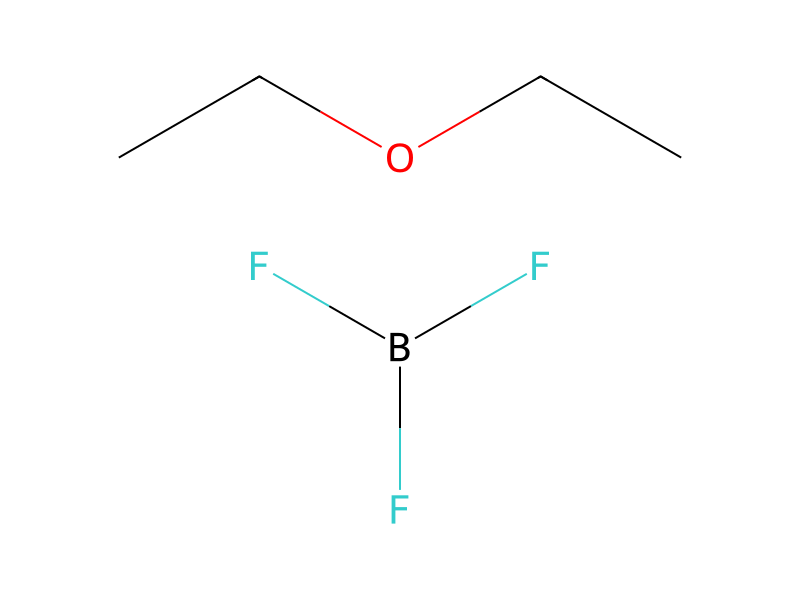
Boron trifluoride etherate → HCID 13059863, compound
Reaction equation

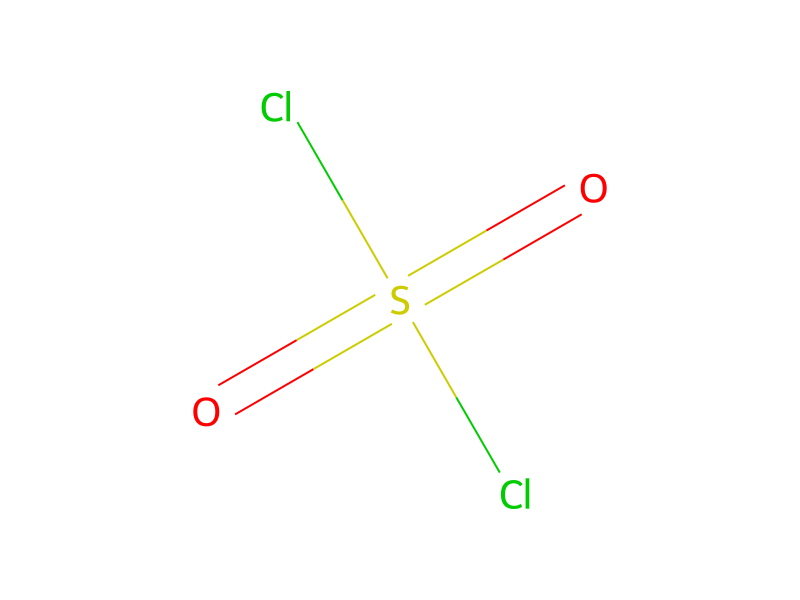
[CH2:1]([N:3]([CH2:24][CH3:25])[C:4]([NH:6][CH:7]1[CH2:21][C@H:20]2[C@@H:10]([CH2:11][C:12]3[C:22]4[C:15](=[CH:16][CH:17]=[CH:18][C:19]2=4)[NH:14][CH:13]=3)[N:9]([CH3:23])[CH2:8]1)=[O:5])[CH3:2].B(F)(F)F.CCOCC.S(Cl)([Cl:38])(=O)=O>C(#N)C.C(Cl)Cl>[Cl:38][C:13]1[NH:14][C:15]2[C:22]3[C:12]=1[CH2:11][C@@H:10]1[C@@H:20]([C:19]=3[CH:18]=[CH:17][CH:16]=2)[CH2:21][C@@H:7]([NH:6][C:4](=[O:5])[N:3]([CH2:1][CH3:2])[CH2:24][CH3:25])[CH2:8][N:9]1[CH3:23]Participants
6
Reactant 3

Product 1

Reagents, catalysts & solvents 2


Procedure
In the same was as described in Example 7, 340 mg of 1,1-diethyl-3(6-methylergolinyl)urea (1 millimole) was dissolved in 19 ml of anhydrous acetonitrile and 0.3 ml of boron trifluoride etherate in 5 ml of anhydrous methylene chloride and reacted with 0.09 ml of freshly distilled sulfuryl chloride, dissolved in 10 ml of anhydrous methylene chloride. The product was worked up and chromatographed as described in Example 7, thus obtaining 270 mg of 3-(2-chloro-6-methyl-8β-ergolinyl)-1,1-diethylurea.
Workup
- customchromatographed
Sources & evidence
- ORD record
- ord-22188ada3f164fefbd03a2d492255c70
- Source dataset
- uspto-grants-1989_08
- Patent number
- US04853390
Reaction notes
Loading…