Carbon Dioxide → 2,3,4,5-Tetrahydro-1-benzoxepin-9-carboxylic acid
Reaction equation

C([Li])CCC.CN(C)CCN(C)C.[O:14]1[C:20]2[CH:21]=[CH:22][CH:23]=[CH:24][C:19]=2[CH2:18][CH2:17][CH2:16][CH2:15]1.[C:25](=[O:27])=[O:26]>CCCCCC.O>[O:14]1[C:20]2[C:21]([C:25]([OH:27])=[O:26])=[CH:22][CH:23]=[CH:24][C:19]=2[CH2:18][CH2:17][CH2:16][CH2:15]1Participants
7

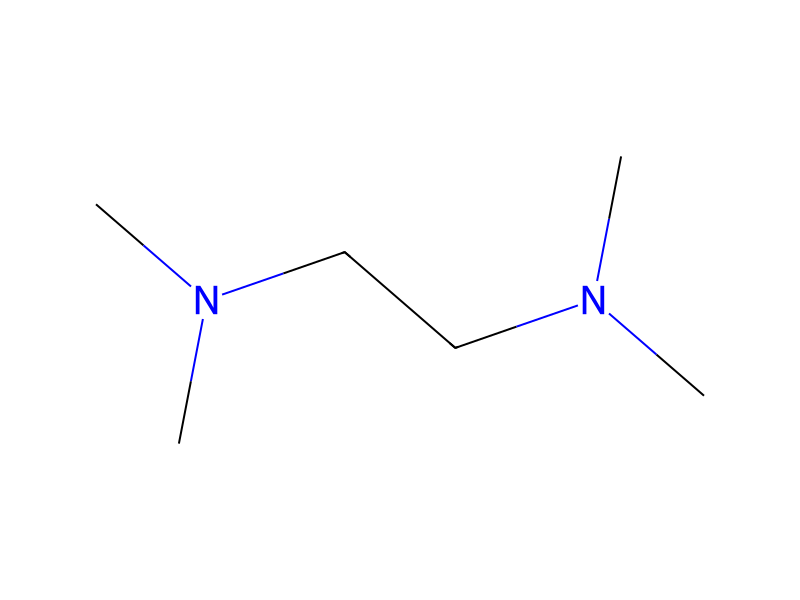





Conditions
- Temperature
- 0 °C
Procedure
To 17.6 ml n-butyllithium (2.5 M, 0.044 mol) in 63 ml hexane is added dropwise (0.044 mol) 5.1 g tetramethylethylenediamine (TMEDA) and 5 g (0.034 mol) of 2,3,4,5-tetrahydro-1-benzoxepin. The reaction mixture is stirred overnight. The reaction mixture is then chilled to 0° C. and carbonated with dry ice for an hour. Water (110 ml) is added and the mixture is filtered and the aqueous phase acidified with 4N HCl. The resultant oil is extracted into methylene chloride and dried (MgSO4). After filtering and concentrating in vacuo, 2,3,4,5-tetrahydro-1-benzoxepin-9-carboxylic acid results as a tan solid.
Workup
- filtrationthe mixture is filtered
- extractionThe resultant oil is extracted into methylene chloride
- dry with materialdried (MgSO4)
- filtrationAfter filtering
- concentrationconcentrating in vacuo, 2,3,4,5-tetrahydro-1-benzoxepin-9-carboxylic acid
- customresults as a tan solid
Sources & evidence
- ORD record
- ord-4896b919fb614b5eb3c8ba0264a88373
- Source dataset
- uspto-grants-1989_08
- Patent number
- US04857517
Reaction notes
Loading…