4-Nitrobenzyl chloroformate → HCID 13137268, compound
Reaction equation

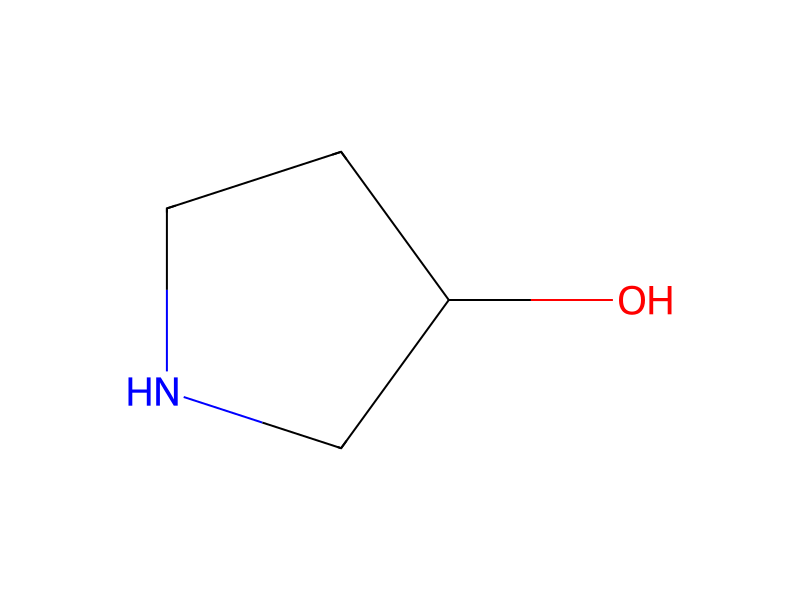
[NH:1]1[CH2:5][CH2:4][CH:3]([OH:6])[CH2:2]1.Cl[C:8]([O:10][CH2:11][C:12]1[CH:17]=[CH:16][C:15]([N+:18]([O-:20])=[O:19])=[CH:14][CH:13]=1)=[O:9]>O1CCOCC1.O.O1CCOCC1>[OH:6][CH:3]1[CH2:4][CH2:5][N:1]([C:8]([O:10][CH2:11][C:12]2[CH:13]=[CH:14][C:15]([N+:18]([O-:20])=[O:19])=[CH:16][CH:17]=2)=[O:9])[CH2:2]1Participants
5
Reactant 2

Product 1

Reagents, catalysts & solvents 2


Conditions
- Temperature
- 5 °C
Procedure
A solution of 3-pyrrolidinol (4.0 g) in dioxane-water (10:1, 50 ml) mixed solvent was cooled to 5° C., and into which a solution of 4-nitrobenzyl chloroformate (10.9 g) in dioxane (20 ml) was added dropwise, while maintaining the pH at 8-9, followed by 10 minutes' stirring at 5° C. Distilling the solvent off under reduced pressure, the residue was extracted with ethyl acetate. The organic layer was dried over anhydrous magnesium sulfate, and from which the solvent was distilled off under reduced pressure. Washing the residue with ethyl acetate, 3-hydroxy-1-(p-nitrobenzyloxycarbonyl)pyrrolidine (6.6 g) was obtained as a pale yellow solid.
Workup
- temperaturewhile maintaining the pH at 8-9
- distillationDistilling the solvent off under reduced pressure
- extractionthe residue was extracted with ethyl acetate
- dry with materialThe organic layer was dried over anhydrous magnesium sulfate
- distillationfrom which the solvent was distilled off under reduced pressure
- washWashing the residue with ethyl acetate
Sources & evidence
- ORD record
- ord-d9ecb31b3afa4325a23002c9ff50fc66
- Source dataset
- uspto-grants-2009_02
- Patent number
- US07485647B2
Reaction notes
Loading…