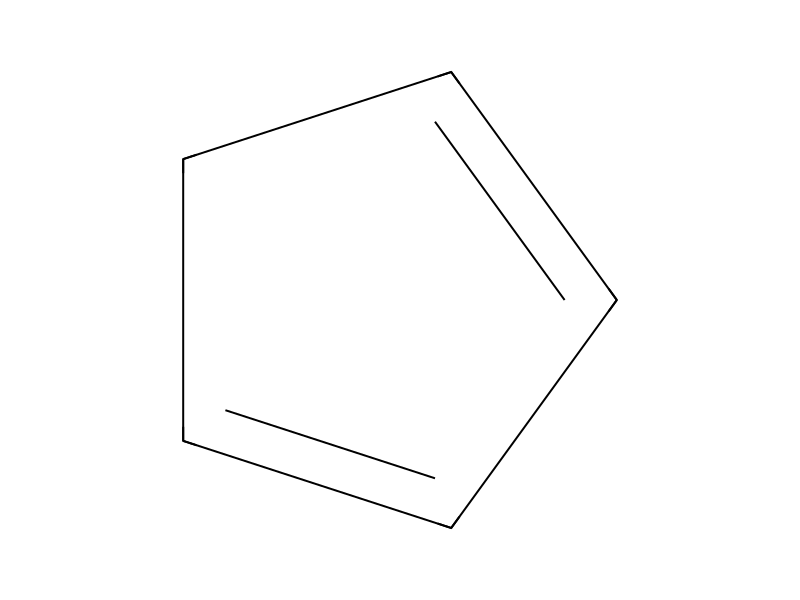
Cyclopentadiene → HCID 17861839, compound
Reaction equation

[C:1](Cl)(=[O:6])[C:2]([CH3:5])([CH3:4])[CH3:3].[CH2:8](Cl)[CH:9]=[CH2:10].[CH:12]1[CH2:16][CH:15]=[CH:14][CH:13]=1.[CH3:17][C:18]([O-:21])(C)[CH3:19].[K+]>>[CH3:3][C:2]([CH3:5])([CH3:4])[C:1](=[O:6])[CH2:10][CH2:9][CH:8]=[O:21].[C:2]([C:1]1[CH:19]=[CH:18][CH:17]=[C:12]2[C:13]=1[CH:14]=[CH:15][CH2:16]2)([CH3:5])([CH3:4])[CH3:3]Participants
6




Procedure
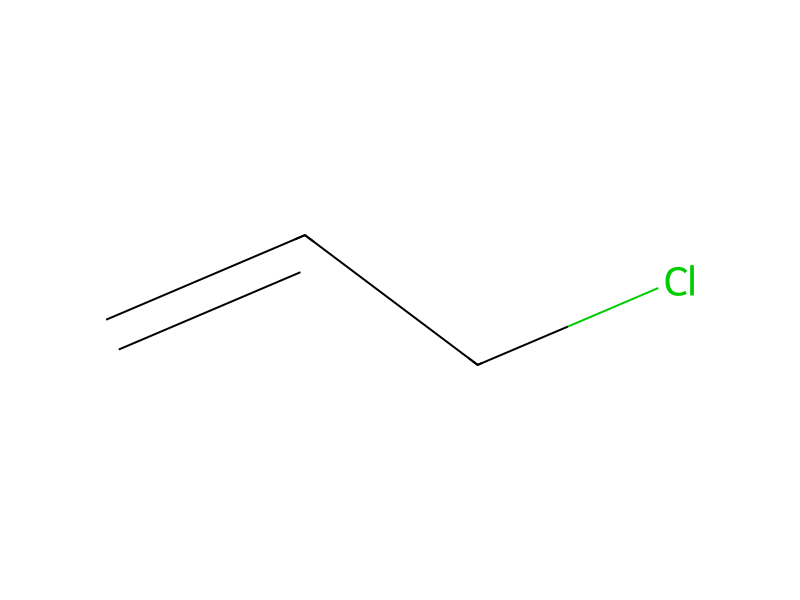
5,5-Dimethyl-4-oxocaproaldehyde cl was prepared analogously to al by reaction of pivaloyl chloride and allyl chloride (see I.1.). 41 g (195 mmol) of c1 were reacted with cyclopentadiene and potassium tert-butylate and the mixture was worked up, analogously to instructions I.1. The reaction time was 19 hours at room temperature. Column chromatography gave 3.2 g (10%) of indene c2 as a yellow oil (2 double bond isomers).
Sources & evidence
- ORD record
- ord-5888cfeb18e84b40b08e629d94086f6f
- Source dataset
- uspto-grants-1994_07
- Patent number
- US05329033
Reaction notes
Loading…