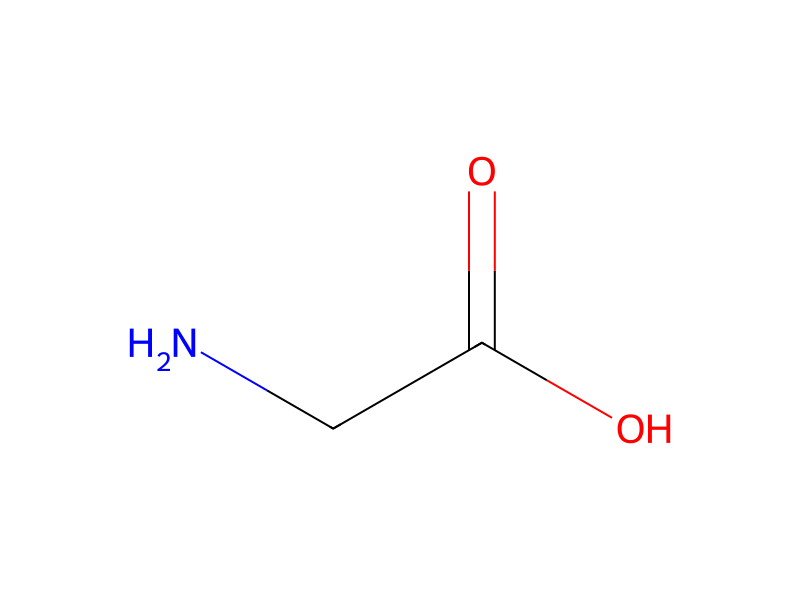
Glycine → HCID 178512907, compound
Reaction equation

[NH2:1][C@H:2]([C:7]([OH:9])=O)[CH2:3][C:4]([OH:6])=[O:5].[NH2:10][CH2:11][C:12]([OH:14])=[O:13].[NH2:15][C@H:16]([C:24]([OH:26])=O)[CH2:17][CH2:18][CH2:19][NH:20][C:21](=[NH:23])[NH2:22]>>[NH2:15][C@H:16]([C:24]([NH:1][CH2:2][C:7]([NH:1][C@H:2]([C:7]([NH:10][CH2:11][C:12]([OH:14])=[O:13])=[O:9])[CH2:3][C:4](=[O:5])[OH:6])=[O:9])=[O:26])[CH2:17][CH2:18][CH2:19][NH:20][C:21](=[NH:23])[NH2:22]Participants
4


Procedure
Starting with N-α-FMOC-glycine-p-alkoxy benzyl resin ester, sequentially coupling L-aspartic acid, glycine and arginine, deprotecting and removing the peptide as in the above examples, L-arginylglycyl-L-aspartyl glycine is obtained as the ditrifluoroacetate salt; m.p. 85°-90° C.
Workup
- customremoving the peptide as in the above examples
Sources & evidence
- ORD record
- ord-f051c6ee382549a7b359c9c7ca64b824
- Source dataset
- uspto-grants-1994_07
- Patent number
- US05332726
Reaction notes
Loading…