Dihydroxyacetone → 2,4-Diamino-6-hydroxymethylpteridine
Reaction equation

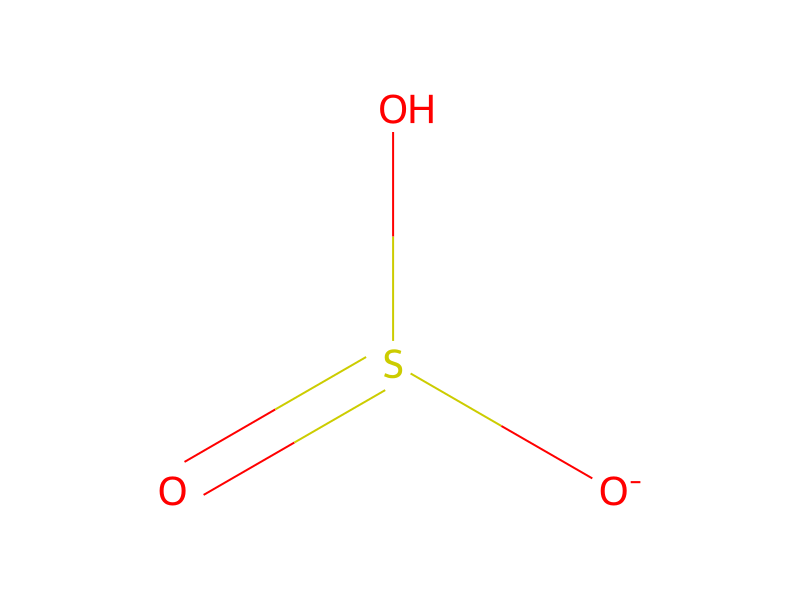
C([O-])(=O)C.[Na+].S(=O)(O)[O-].[OH:10][CH2:11][C:12]([CH2:14]O)=O.Cl.N[C@H](C(O)=O)CS.Cl.Cl.[NH2:26][C:27]1[N:32]=[C:31]([NH2:33])[C:30]([NH2:34])=[C:29]([NH2:35])[N:28]=1>O>[NH2:26][C:27]1[N:32]=[C:31]([NH2:33])[C:30]2[C:29](=[N:35][CH:14]=[C:12]([CH2:11][OH:10])[N:34]=2)[N:28]=1Participants
7





Procedure
A solution of 128 grams of sodium acetate, 136 grams of bisulphite addition product of 1,3-dihydroxyacetone (free of methyl glyoxal) and 46 grams of cysteine hydrochloride in 390 ml water was prepared at room temperature in a 2 liter three-necked flask fitted with a stirrer, an air-bubbling system and a dropping funnel. To this solution, the 400 ml of the previously prepared solution of 2,4,5,6-tetraaminopyrimidine dihydrochloride were added with energic stirring and air-bubbling. A solution of 8 g of selenium dioxide dissolved in the minimum amount of water was made. Half of this solution was added to the reaction mixture immediately after the addition of the tetraaminopyrimidine solution and the other half 4-7 hours later.
Workup
- customwas prepared at room temperature in a 2 liter three-necked flask
- customfitted with a stirrer
- customair-bubbling
- dissolutionA solution of 8 g of selenium dioxide dissolved in the minimum amount of water
- additionHalf of this solution was added to the reaction mixture
- additionimmediately after the addition of the tetraaminopyrimidine solution
- customthe other half 4-7 hours
Sources & evidence
- ORD record
- ord-23c6fb1ca509424c817b8fe28e89140b
- Source dataset
- uspto-grants-1976_11
- Patent number
- US03989703
Reaction notes
Loading…