2-[3-Chloro-4-(2-pyrazolin-1-yl)phenyl]propionic acid → 2-[3-Chloro-4-(pyrazol-1-yl)phenyl]propionic acid
Reaction equation

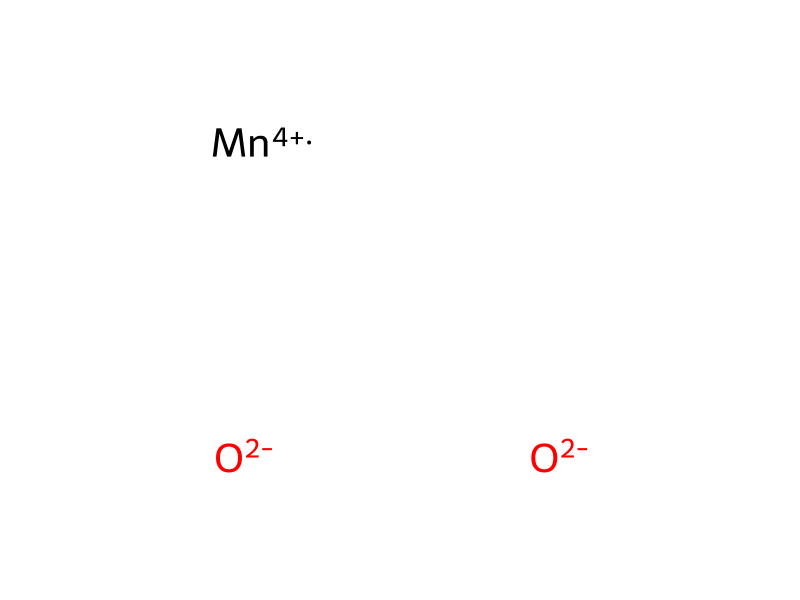
[Cl:1][C:2]1[CH:3]=[C:4]([CH:13]([CH3:17])[C:14]([OH:16])=[O:15])[CH:5]=[CH:6][C:7]=1[N:8]1[CH2:12][CH2:11][CH:10]=[N:9]1>C1(C)C=CC=CC=1.[O-2].[O-2].[Mn+4]>[Cl:1][C:2]1[CH:3]=[C:4]([CH:13]([CH3:17])[C:14]([OH:16])=[O:15])[CH:5]=[CH:6][C:7]=1[N:8]1[CH:12]=[CH:11][CH:10]=[N:9]1Participants
4
Reactant 1

Product 1

Reagents, catalysts & solvents 2

Procedure
252 mg (1 mmole) of 2-[3-chloro-4-(2-pyrazolin-1-yl)phenyl]propionic acid are heated to the boil for 8 hours with 250 mg of active manganese dioxide and 1 g molecular sieve 4 A*) in 10 ml of toluene. Filtration is effected, followed by extraction first with 1 N hydrochloric acid and then with 1 N sodium hydroxide. The aqueous alkaline extract is acidified and subsequently extracted with benzene; the resulting organic phase is dried to yield 2-[3-chloro-4-(pyrazol-1-yl)phenyl]propionic acid (m.p. 83° to 85° C.).
Workup
- filtrationFiltration
- extractionfollowed by extraction first with 1 N hydrochloric acid
- extractionThe aqueous alkaline extract
- extractionsubsequently extracted with benzene
- customthe resulting organic phase is dried
Sources & evidence
- ORD record
- ord-15935e0d3b914ef0a50bb9bb4da9d9e5
- Source dataset
- uspto-grants-1980_12
- Patent number
- US04239901
Reaction notes
Loading…