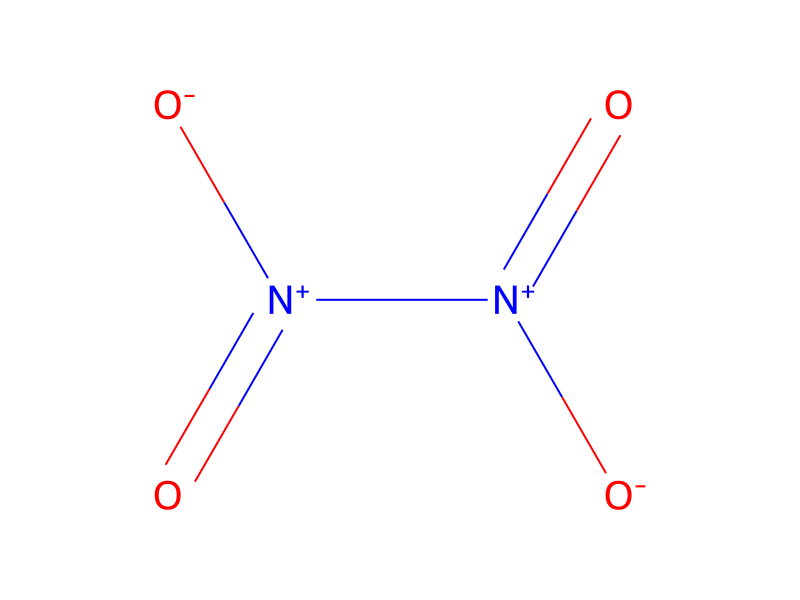
Nitrogen oxide (N2O4) → HCID 54066611, compound
Reaction equation

[Cl:1][CH2:2][CH2:3][NH:4][C:5]([N:7]([CH2:19][CH:20]1[O:24][CH2:23][CH2:22][CH2:21]1)[CH:8]1[O:16][C@H:15]([CH2:17][OH:18])[C@@H:13]([OH:14])[C@H:11]([OH:12])[C@H:9]1[OH:10])=[O:6].[N+:25]([O-])([N+]([O-])=O)=[O:26]>>[Cl:1][CH2:2][CH2:3][N:4]([N:25]=[O:26])[C:5]([N:7]([CH2:19][CH:20]1[O:24][CH2:23][CH2:22][CH2:21]1)[CH:8]1[O:16][C@H:15]([CH2:17][OH:18])[C@@H:13]([OH:14])[C@H:11]([OH:12])[C@H:9]1[OH:10])=[O:6]Participants
3


Procedure
3.7 g of 1-(2-chloroethyl)-3-tetrahydrofurfuryl-3-(D-glucopyranosyl)urea and 6 g of nitrogen tetroxide gas are treated in the same manner as described in Example 31-(2). 1.1 g of 1-(2-chloroethyl)-1-nitroso-3-tetrahydrofurfuryl-3-(D-glucopyranosyl)urea are thereby obtained as yellow caramel.
Sources & evidence
- ORD record
- ord-283ce7dd45954b3792f700905649befb
- Source dataset
- uspto-grants-1980_12
- Patent number
- US04241052
Reaction notes
Loading…