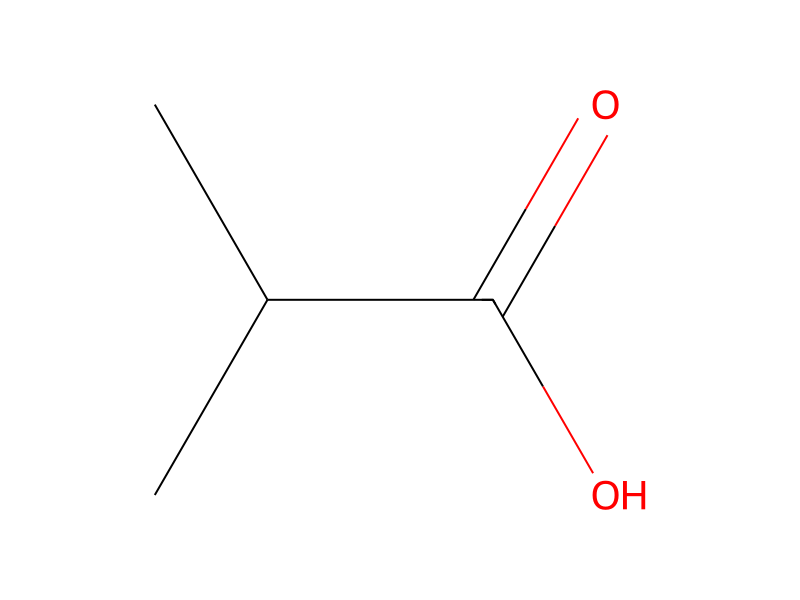
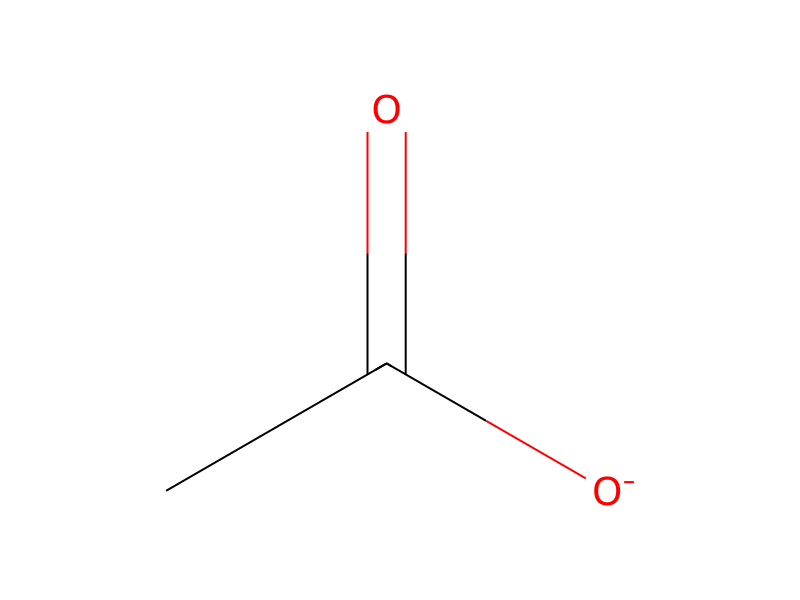
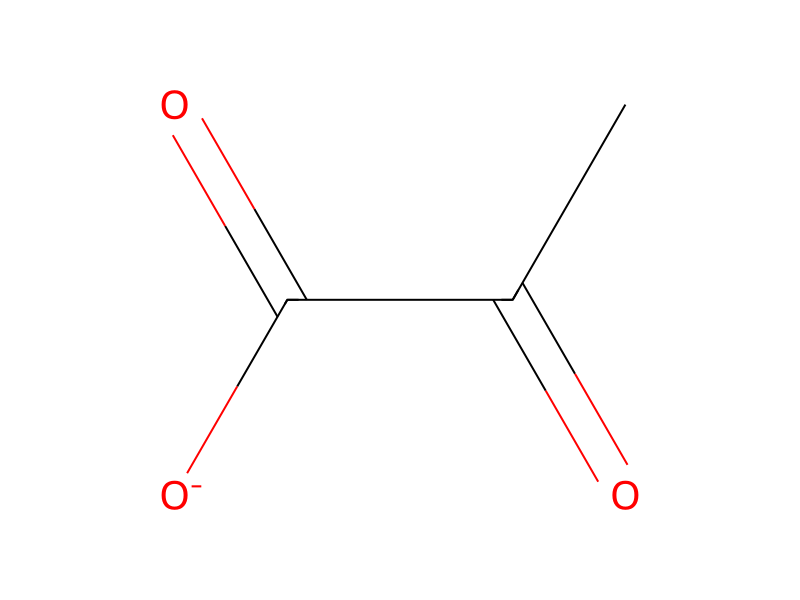
Isobutyric Acid → Acetate
Reaction equation

[C:1]([O-:6])(=[O:5])[C@H:2]([CH3:4])[OH:3].[Na+].[C:8]([OH:13])(=[O:12])[CH:9](C)C.[OH-].[Na+].C([O-])(=O)CO.CCCCCCCCCCCCC[N+](CC1C=CC=CC=1)(C)C.[Cl-]>>[C:1]([O-:6])(=[O:5])[C:2]([CH3:4])=[O:3].[C:8]([O-:13])(=[O:12])[CH3:9]Participants
7



Procedure
The procedure described in Example 1 was repeated using 10 mL of an aqueous solution containing sodium L-lactate (0.500M) and isobutyric acid (HPLC internal standard, 0.100M) at pH 9.0 (adjusted with 50% NaOH), to which was added 0.18 g (wet weight) of Pichia pastoris transformant GS115-MSP 10 (1.13 IU/mL glycolate oxidase and 2,500 IU/mL catalase ) which had been permeabilized by treatment with 0.1% benzalkonium chloride ("BARQUAT" OJ-50); no buffer was added. After 10 hours, the HPLC yields of pyruvate and acetate were 92.9% and 5.0%, respectively, and 3.3% lactate remained. The remaining permeabilized cell activity of glycolate oxidase and catalase were 121% and 228%, respectively, of their initial values.
Workup
- additionno buffer was added
Sources & evidence
- ORD record
- ord-d88f9721872f456f9c132102a4920f76
- Source dataset
- uspto-grants-1996_07
- Patent number
- US05538875
Reaction notes
Loading…