Potassium Hydroxide → HCID 19699324, compound
Reaction equation

[F:1][C:2]1[CH:11]=[C:10]([F:12])[CH:9]=[C:8]2[C:3]=1[CH2:4][CH2:5][CH:6]([N:13]1[C:17]([C:18]([O:20]CC)=[O:19])=[CH:16][NH:15][C:14]1=[S:23])[CH2:7]2.[OH-].[K+]>C(O)C.O>[F:1][C:2]1[CH:11]=[C:10]([F:12])[CH:9]=[C:8]2[C:3]=1[CH2:4][CH2:5][CH:6]([N:13]1[C:17]([C:18]([OH:20])=[O:19])=[CH:16][NH:15][C:14]1=[S:23])[CH2:7]2Participants
4
Reactant 2


Product 1

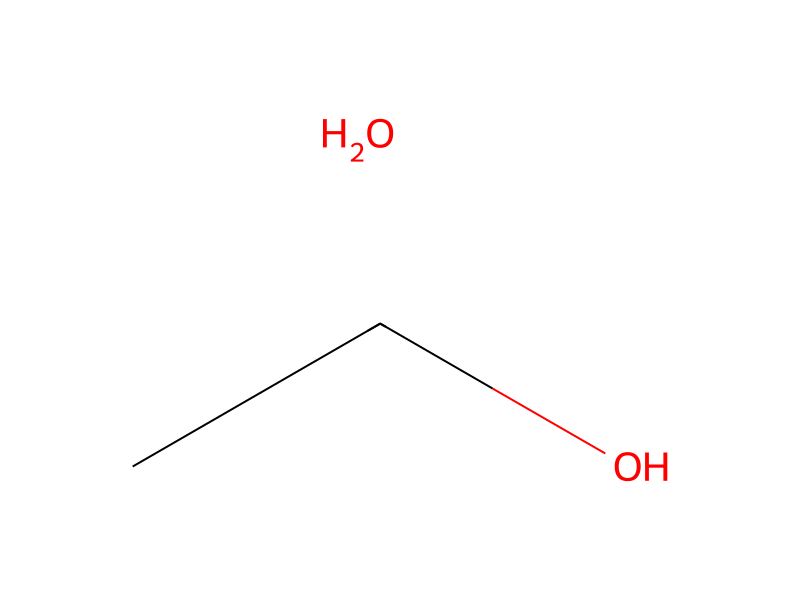
Reagents, catalysts & solvents 1
Procedure
A mixture of ethyl 3-(5,7-difluoro-1,2,3,4-tetrahydronaphthalen-2-yl)-2-thioxo-2,3-dihydro-1H-imidazole-4-carboxylate (4.6 g, 13.6 mmol), prepared as in Example 24, and potassium hydroxide (3.14 g, 47.6 mmol) in 130 mL of ethanol/water (10:3) was stirred at 85°-90° C. for 5 hours. The solvent was removed by evaporation and the residue was dissolved in water. The solution was acidified with 1N hydrochloric acid to a pH of 1 giving a crystalline material. Isolation of the material by filtration gave 3-(5,7-difluoro-1,2,3,4-tetrahydronaphthalen-2-yl)-2-thioxo-2,3-dihydro-1H-imidazole-4-carboxylic acid (3.86 g, 12.5 mmol), m.p. 250°-252° C.
Workup
- customThe solvent was removed by evaporation
- dissolutionthe residue was dissolved in water
- customgiving a crystalline material
- filtrationIsolation of the material by filtration
Sources & evidence
- ORD record
- ord-9ad68494a4e84f7481ee81b7b5377b46
- Source dataset
- uspto-grants-1996_07
- Patent number
- US05538988
Reaction notes
Loading…