Sulfuric Acid → Dimethyl 5-(2-chloroethyl)-6-chloro-2,3-pyridinedicarboxylate
Reaction equation

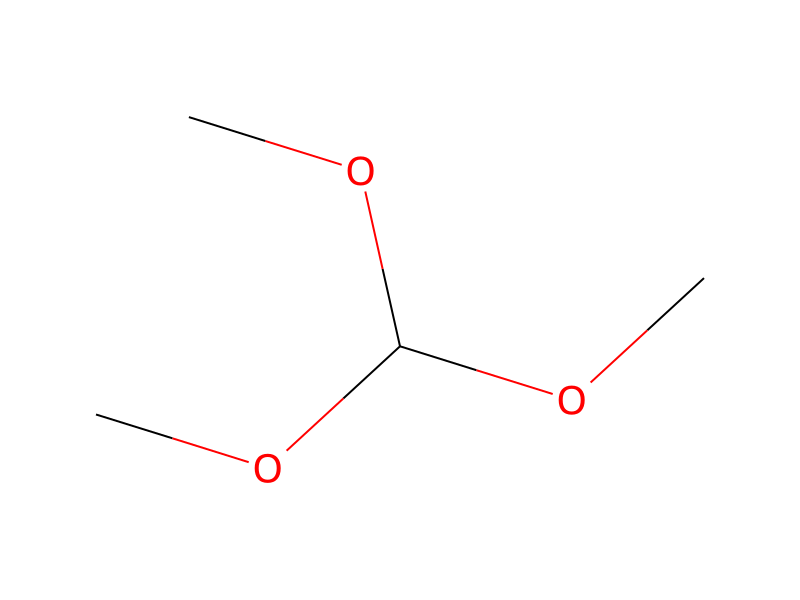
[Cl:1][C:2]1[C:11]([CH2:12][CH2:13][Cl:14])=[CH:10][C:9]2[C:4](=[C:5]([O:17][CH3:18])C=CC=2OC)[N:3]=1.CO[CH:21]([O:24]C)[O:22][CH3:23].S(=O)(=O)(O)[OH:27].O=[O+][O-]>CO>[Cl:1][C:2]1[N:3]=[C:4]([C:5]([O:17][CH3:18])=[O:27])[C:9]([C:21]([O:22][CH3:23])=[O:24])=[CH:10][C:11]=1[CH2:12][CH2:13][Cl:14]Participants
6
Reactant 4



Product 1

Reagents, catalysts & solvents 1

Procedure
A solution of 2-chloro-3-(2-chloroethyl)-5,8-dimethoxyquinoline (22.0 g, 0.077 mole) in 1 L methanol containing 80 mL of trimethylorthoformate and 2 mL concentrated sulfuric acid is stirred at room temperature while ozone is bubbled in until TLC indicates the disappearance of starting material. The reaction is concentrated in vacuo, and the residue is partitioned between ether and saturated aqueous bicarbonate. The organic layer is washed further with bicarbonate, then with aqueous bisulfite. Drying and concentration in vacuo affords the desired product as an oil.
Workup
- customis bubbled in until TLC
- concentrationThe reaction is concentrated in vacuo
- customthe residue is partitioned between ether and saturated aqueous bicarbonate
- washThe organic layer is washed further with bicarbonate
- customDrying
- concentrationconcentration in vacuo
Sources & evidence
- ORD record
- ord-7590399d07784ef4b06b64c6387cea8a
- Source dataset
- uspto-grants-1994_08
- Patent number
- US05334576
Reaction notes
Loading…