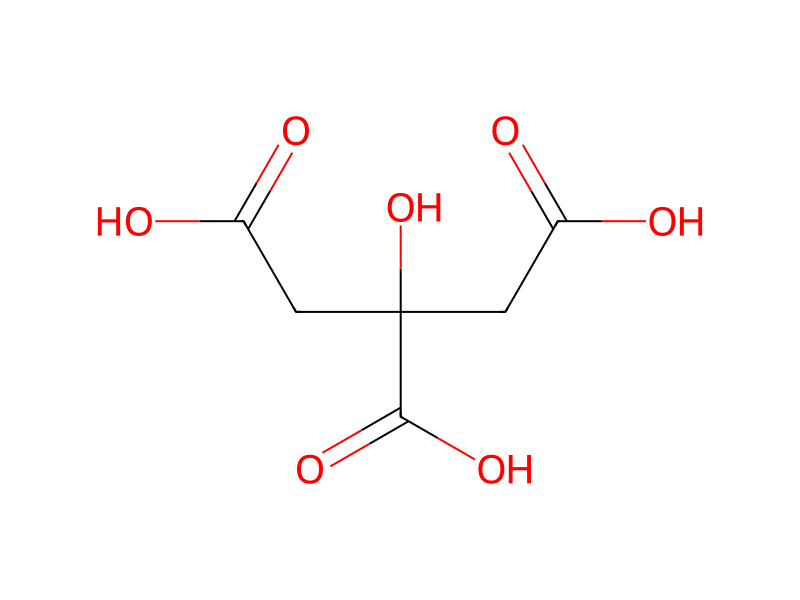
Citric Acid → Citric Acid
Reaction equation

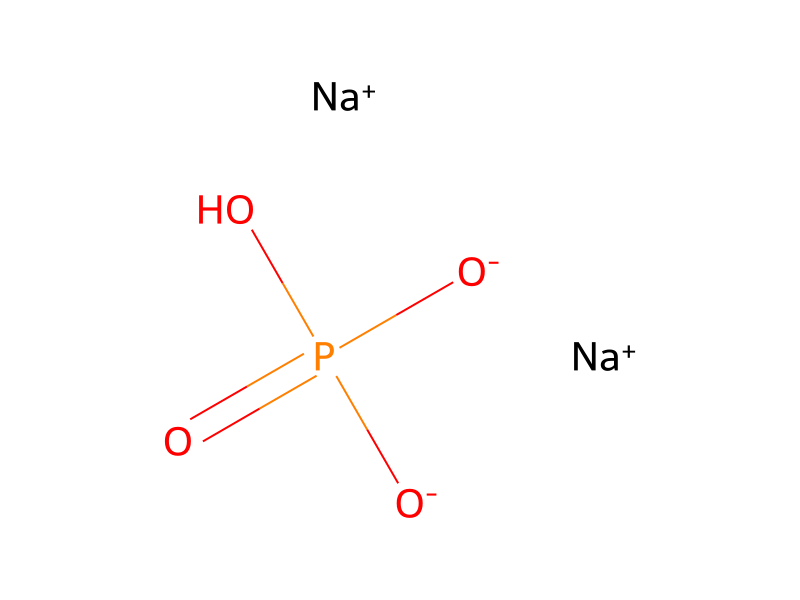
[P:1]([O-:5])([O-:4])([OH:3])=[O:2].[Na+:6].[Na+].[C:8]([OH:20])(=[O:19])[CH2:9][C:10]([CH2:15][C:16]([OH:18])=[O:17])([C:12]([OH:14])=[O:13])[OH:11].[P:21]([O-:25])([O-:24])([O-:23])=[O:22].[Ca+2:26].[Ca+2].[Ca+2].[Ca+2].OP(O)(O)=O>>[P:1]([O-:5])([O-:4])([OH:3])=[O:2].[Ca+2:26].[P:21]([O-:25])([O-:24])([OH:23])=[O:22].[Na+:6].[Na+:6].[C:8]([OH:20])(=[O:19])[CH2:9][C:10]([CH2:15][C:16]([OH:18])=[O:17])([C:12]([OH:14])=[O:13])[OH:11]Participants



Procedure
When the pH value of the solution is near 8.5 after equilibrium is reached, the reached shown in the formula 2 proceeds until all of the calcium hydrogen phosphate convert into hydroxyapatite while the pH is maintained at near 8.5. The H3PO4 formed by the reaction comes to solution-equilibrium with the disodium hydrogen phosphate and citric acid during kneading. If the pH is still maintained at near 8.5, the reaction of the formula 4 also proceeds and the tetracalcium phosphate converts into hydroxyapatite. The Ca(OH)2 by product of this reaction comes to solution-equilibrium with H3PO4 produced from calcium hydrogen phosphate and disodium hydrogen phosphate and citric acid in kneading solutions, and the reaction shown as the formulae 7 and 8 proceeds:
Workup
- temperatureIf the pH is still maintained at near 8.5
Sources & evidence
- ORD record
- ord-0d73cac4cf03429e9d3e1689658c9b02
- Source dataset
- uspto-grants-1994_08
- Patent number
- US05342441
Reaction notes
Loading…