2-Bromo-5-hydroxypyridine → Thiazole
Reaction equation

[O:1]1[CH:5]=[CH:4][CH2:3][NH:2]1.Br[C:7]1[N:12]=[CH:11][C:10]([OH:13])=[CH:9][CH:8]=1.C([Sn](CCCC)(CCCC)[C:19]1[S:20][CH:21]=[CH:22][N:23]=1)CCC>O1CCOCC1.C1C=CC([P]([Pd]([P](C2C=CC=CC=2)(C2C=CC=CC=2)C2C=CC=CC=2)([P](C2C=CC=CC=2)(C2C=CC=CC=2)C2C=CC=CC=2)[P](C2C=CC=CC=2)(C2C=CC=CC=2)C2C=CC=CC=2)(C2C=CC=CC=2)C2C=CC=CC=2)=CC=1>[N:12]1[CH:7]=[CH:8][CH:9]=[C:10]([O:13][C:3]2[CH2:4][CH2:5][O:1][N:2]=2)[CH:11]=1.[S:20]1[CH:21]=[CH:22][N:23]=[CH:19]1Participants
Reactant 3
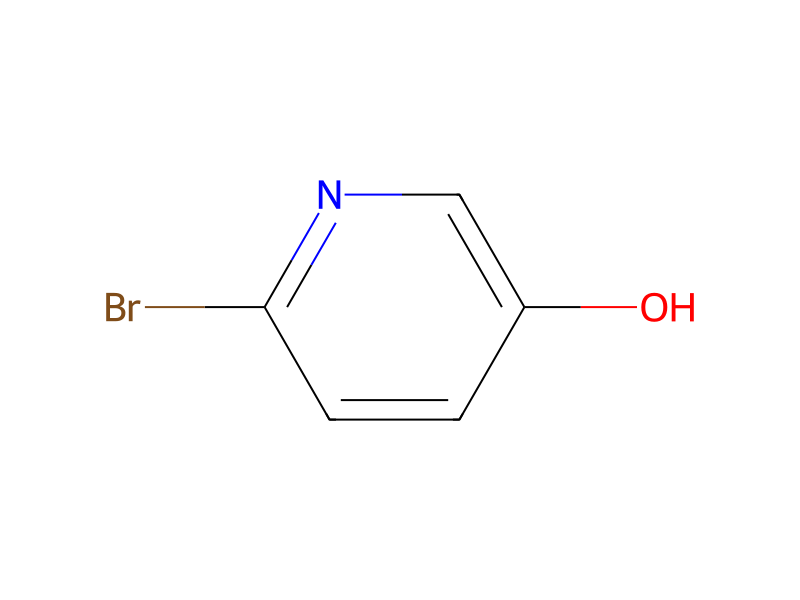


Product 2


Reagents, catalysts & solvents 2


Procedure
3-(pyridin-3-yloxy)-4,5-dihydroisoxazole I-162a and I-162b were prepared according to the following procedure: Racemic dihydroisoxazole I-161 was prepared in 1 step from compound I-14 and 6-bromopyridin-3-ol using Method 5. Compound I-161 placed in a microwave vial and then dissolved in dioxane (0.02 M). 2-(tributylstannyl)thiazole and palladium tetrakis were added and the reaction was purged with Argon. At this point the reaction was heated in the microwave reactor for 20 min after which there was no starting material by TLC analysis. The mixture is concentrated and purified by flash silica gel chromatography (hexanes/ethyl acetate) to provide the desired racemic thiazole I-162 in 50% yield. These compounds can be separated using chiral HPLC methods known in the art. For example, see chiral HPLC Method disclosed herein. [M−H]−=407.3 m/z. Activity: A
Workup
- customthe reaction was purged with Argon
- temperatureAt this point the reaction was heated in the microwave reactor for 20 min after which there
- concentrationThe mixture is concentrated
- custompurified by flash silica gel chromatography (hexanes/ethyl acetate)
Sources & evidence
- ORD record
- ord-07360885a76f4d7e9592a7094c958e0a
- Source dataset
- uspto-grants-2015_10
- Patent number
- US09149465B2
Reaction notes
Loading…