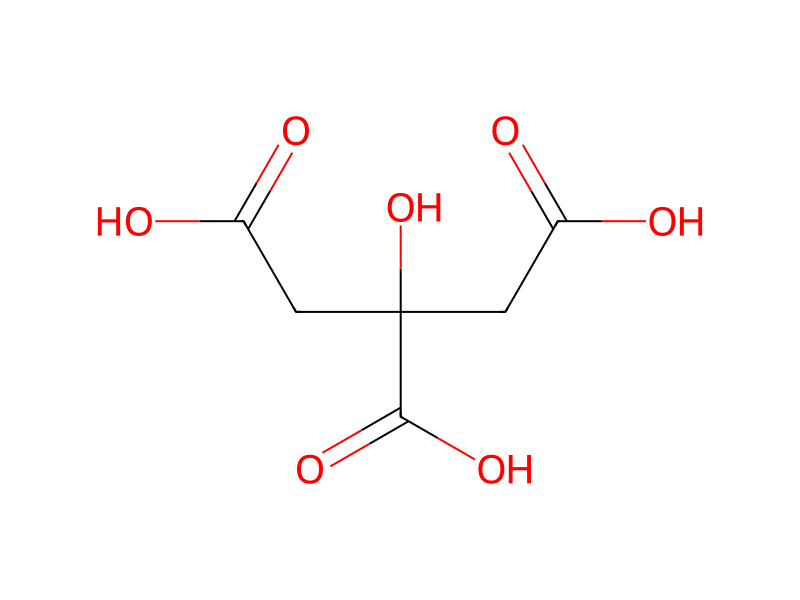
Citric Acid → HCID 131733671, compound
Reaction equation

[CH3:1][N:2]1[CH2:19][CH:18]2[CH:4]([C:5]3[CH:6]=[CH:7][CH:8]=[CH:9][C:10]=3[O:11][C:12]3[CH:13]=[CH:14][C:15]([Cl:20])=[CH:16][C:17]=32)[CH2:3]1.[C:21]([OH:33])(=[O:32])[CH2:22][C:23]([CH2:28][C:29]([OH:31])=[O:30])([C:25]([OH:27])=[O:26])[OH:24]>CC(C)=O.O>[CH3:1][N:2]1[CH2:19][CH:18]2[CH:4]([C:5]3[CH:6]=[CH:7][CH:8]=[CH:9][C:10]=3[O:11][C:12]3[CH:13]=[CH:14][C:15]([Cl:20])=[CH:16][C:17]=32)[CH2:3]1.[C:21]([O-:33])(=[O:32])[CH2:22][C:23]([CH2:28][C:29]([O-:31])=[O:30])([C:25]([O-:27])=[O:26])[OH:24]Participants
Reactant 2

Product 1

Reagents, catalysts & solvents 2


Procedure
150 mg Asenapine free base was dissolved in 3.0 ml acetone and to this solution was added 0.25 ml of a 2M stock solution of citric acid (Fluka #24788) in water. After seeding with a few of crystalline citrate salt according to example 1 a white suspension begins to form after 5 minutes. Stirring was continued at room temperature, and on the next day the suspension was filtered and the product dried under vacuum at room temperature for about 18 hours. The obtained sample was characterized by powder X-ray diffraction, which confirmed that the same crystalline form as in example 1 was obtained. Further investigation by elemental composition analysis showed a composition that is consistent with a 1:1 salt of Asenapine and citric acid as provided in Table 2. Differential scanning calorimetry shows a single melting peak at 174° C. with an enthalpy of fusion of about 116 J/g.
Workup
- customto form after 5 minutes
- customwas continued at room temperature
- filtrationon the next day the suspension was filtered
- customthe product dried under vacuum at room temperature for about 18 hours
- customwas obtained
- customas provided in Table 2
- customat 174° C.
Sources & evidence
- ORD record
- ord-b438608ba0c04ef8b2ca023952dcc700
- Source dataset
- uspto-grants-2015_10
- Patent number
- US09169262B2
Reaction notes
Loading…