Ammonium formate → 2-(Pyrrolidin-3-yl)pyridine
Reaction equation

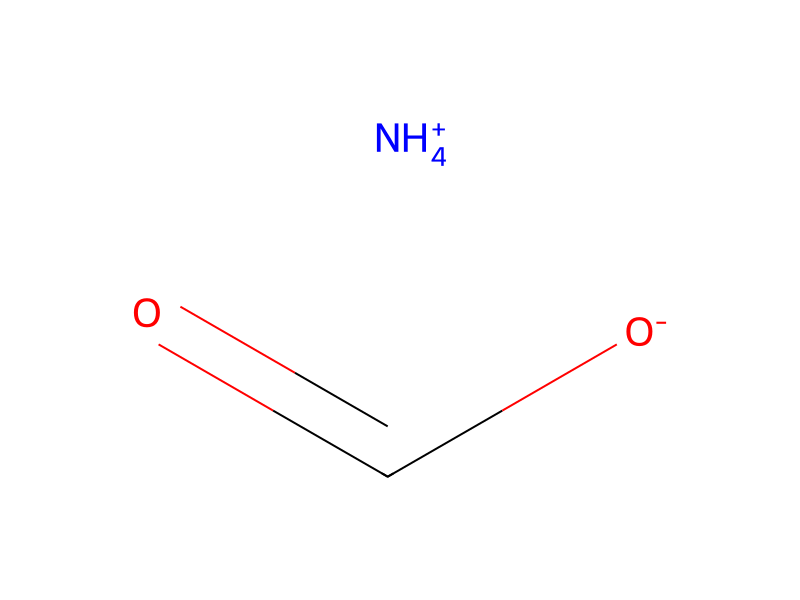
C1(C[N:8]2[CH2:12][CH2:11][CH:10]([C:13]3[CH:18]=[CH:17][CH:16]=[CH:15][N:14]=3)[CH2:9]2)C=CC=CC=1.C([O-])=O.[NH4+]>[Pd].CO.O>[NH:8]1[CH2:12][CH2:11][CH:10]([C:13]2[CH:18]=[CH:17][CH:16]=[CH:15][N:14]=2)[CH2:9]1Participants
Reactant 2

Product 1

Reagents, catalysts & solvents 3



Procedure
To a suspension of 2-[1-(phenylmethyl)-3pyrrolidinyl]pyridine (7.15 g, 30.0mmol) and 10% palladium on charcoal catalyst (1.90 g) in methanol (120 mL) was added dropwise a solution of ammonium formate (7.57 g, 120 retool) in water (30 mL). The mixture was heated at reflux for 30 minutes, allowed tocool to room temperature, and filtered. The filtrate was concentrated underreduced pressure, the residue was taken up in water (10 mL), and the solution was made basic with concentrated ammonia and extracted with dichloromethane (4×15 mL). The organic extracts were combined, driedover anhydrous potassium carbonate, and concentrated to a yellow oil. This crude product was chromatographed (silica gel, chloroform-methanol-ammonia75:25:5) to give the title compound (3.33 g, 75%) as a faint yellow liquid.
Workup
- temperatureThe mixture was heated
- temperatureat reflux for 30 minutes
- customto room temperature
- filtrationfiltered
- concentrationThe filtrate was concentrated underreduced pressure
- extractionextracted with dichloromethane (4×15 mL)
- concentrationconcentrated to a yellow oil
- customThis crude product was chromatographed (silica gel, chloroform-methanol-ammonia75:25:5)
Sources & evidence
- ORD record
- ord-6aae8b198e094cf18556f7d211453ae1
- Source dataset
- uspto-grants-1995_08
- Patent number
- US05446044
Reaction notes
Loading…