Water → HCID 19387887, compound
Reaction equation

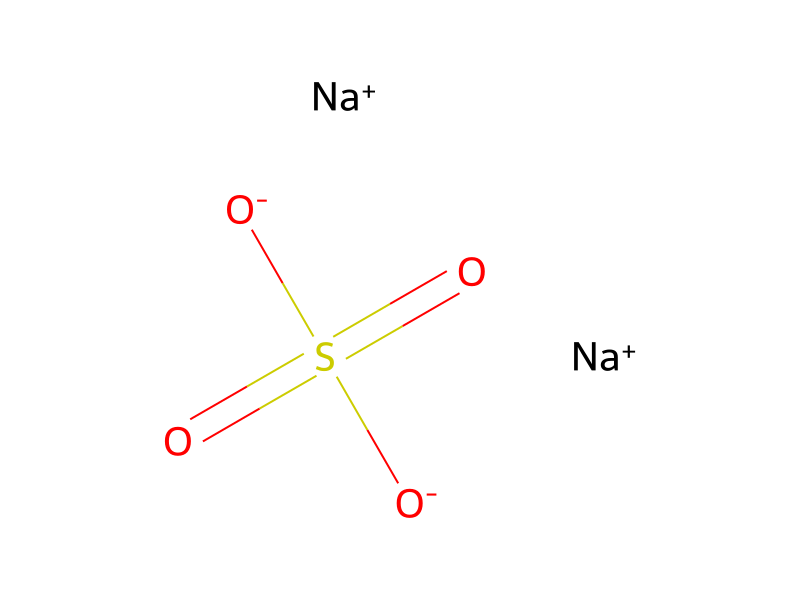
[H-].[Al+3].[Li+].[H-].[H-].[H-].[NH2:7][CH:8]([C:11]1[CH:12]=[C:13]2[C:18](=[CH:19][CH:20]=1)[NH:17][C:16](=O)[CH2:15][CH2:14]2)[CH2:9][CH3:10].O.S([O-])([O-])(=O)=O.[Na+].[Na+]>O1CCOCC1>[NH2:7][CH:8]([C:11]1[CH:12]=[C:13]2[C:18](=[CH:19][CH:20]=1)[NH:17][CH2:16][CH2:15][CH2:14]2)[CH2:9][CH3:10]Participants
Reactant 4



Product 1

Reagents, catalysts & solvents 1

Conditions
- Temperature
- 70 °C
Procedure
Example P-10:0.6 g of lithium aluminium hydride in 30 ml of absolute dioxane are placed under nitrogen in a sulfonation flask. The internal temperature is then increased to approximately 70° C. and a solution of 1.2 g of 6-(1-aminopropyl)-3,4-dihydro-quinolin-2-one in 30 mlof absolute dioxane is added dropwise over a period of 10 minutes. The batch is then stirred for 6 hours at an internal temperature of approximately 80°-85° C. and allowed to cool, and, while cooling with ice, water is added dropwise until all the excess lithium aluminium hydride has reacted. Approximately 40 ml of dioxane and sodium sulfate (approximately 10 g) are then added. After having stood for a short while, the batch is suction-filtered and the dioxane is removed under a water-jet pump vacuum. The dark-brown oil which remains can then be further purified by flash chromatography on silica gel (eluant: ethanol/ether 1:1) to yield 1.0 g of 6-(1-aminopropyl)-1,2,3,4-tetrahydro-quinoline in the form of a brown oil (1H-NMR).
Workup
- temperatureto cool
- customhas reacted
- filtrationthe batch is suction-filtered
- customthe dioxane is removed under a water-jet pump vacuum
- customThe dark-brown oil which remains can then be further purified by flash chromatography on silica gel (eluant: ethanol/ether 1:1)
Sources & evidence
- ORD record
- ord-d73e4827251e44b29afb34ffed82cfe3
- Source dataset
- uspto-grants-1995_08
- Patent number
- US05446040
Reaction notes
Loading…