Benzene → 2-[1-Chloromethyl-3-(5-bromothiazol-2-yl)ureido]acetaldehyde
Reaction equation

[Br:1][C:2]1[S:6][C:5]([N:7]=[C:8]=[O:9])=[N:4][CH:3]=1.C1C=CC=CC=1.[Cl:16][CH2:17][NH:18][CH2:19][CH:20]=[O:21]>C(O)C.O>[Cl:16][CH2:17][N:18]([CH2:19][CH:20]=[O:21])[C:8]([NH:7][C:5]1[S:6][C:2]([Br:1])=[CH:3][N:4]=1)=[O:9]Participants
5


Procedure
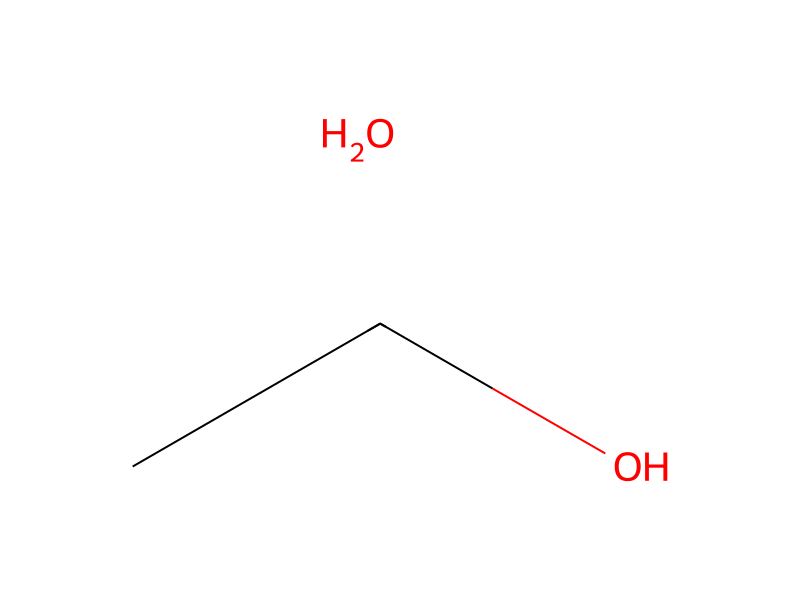
5-Bromothiazol-2-yl isocyanate dimer (17.0 grams), benzene (70 ml) and the dimethyl acetal of 2-chloromethylaminoacetaldehyde (13.5 grams) are charged into a glass reaction vessel equipped with a mechanical stirrer and thermometer. The reaction mixture is then stirred at room temperature for a period of about 1 hour. After this time the reaction mixture is filtered, and the filtrate is stripped of solvent under reduced pressure, leaving an oil. This oil is dissolved in an ethanol-water mixture, and the solution is filtered. The filtrate is then stripped of solvents under vacuum to yield the desired product the dimethyl acetal of 2-[1-chloromethyl-3-(5-bromothiazol-2-yl)ureido]acetaldehyde.
Workup
- customequipped with a mechanical stirrer
- filtrationAfter this time the reaction mixture is filtered
- customleaving an oil
- filtrationthe solution is filtered
Sources & evidence
- ORD record
- ord-ba9923d7a98843c6a812dfde863c565e
- Source dataset
- uspto-grants-1978_09
- Patent number
- US04116969
Reaction notes
Loading…