Dichloromethane → 3-(1-Benzylpiperidin-4-yl)-3,4-dihydroquinazolin-2-amine
Reaction equation

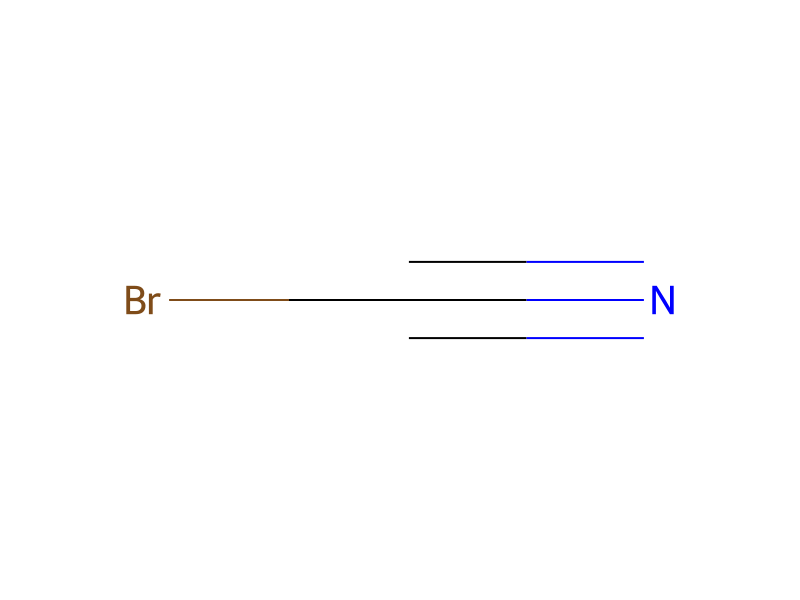
[NH2:1][C:2]1[CH:7]=[CH:6][CH:5]=[CH:4][C:3]=1[CH2:8][NH:9][CH:10]1[CH2:15][CH2:14][N:13]([CH2:16][C:17]2[CH:22]=[CH:21][CH:20]=[CH:19][CH:18]=2)[CH2:12][CH2:11]1.[C:23](Br)#[N:24].ClCCl.[OH-].[Na+]>C(O)C>[NH2:24][C:23]1[N:9]([CH:10]2[CH2:11][CH2:12][N:13]([CH2:16][C:17]3[CH:18]=[CH:19][CH:20]=[CH:21][CH:22]=3)[CH2:14][CH2:15]2)[CH2:8][C:3]2[C:2](=[CH:7][CH:6]=[CH:5][CH:4]=2)[N:1]=1Participants
6





Procedure
A solution of 10.0 g (33.85 mmol) of N-[(2-aminophenyl)methyl]-1-(phenylmethyl)-4-piperidineamine in 150 ml of anhydrous ethanol was combined with 4.0 g (37.76 mmol) of bromocyanogen added batchwise. The mixture was left to stand overnight at ambient temperature, the ethanol was eliminated in vacuo and the residue was distributed between dichloromethane and 1N sodium hydroxide solution. After working up in the conventional way, 9.3 g (86% of theoretical) of colourless crystals were obtained, Rf 0.4 (El D), which were further processed without any additional purification.
Workup
- additionadded batchwise
- waitThe mixture was left
- customwere obtained
- customRf 0.4 (El D), which were further processed without any additional purification
Sources & evidence
- ORD record
- ord-2af62797e3954dcba058a9416d5e04e2
- Source dataset
- uspto-grants-2007_06
- Patent number
- US07230001B1
Reaction notes
Loading…