Sulfolane → HCID 86748380, compound
Reaction equation

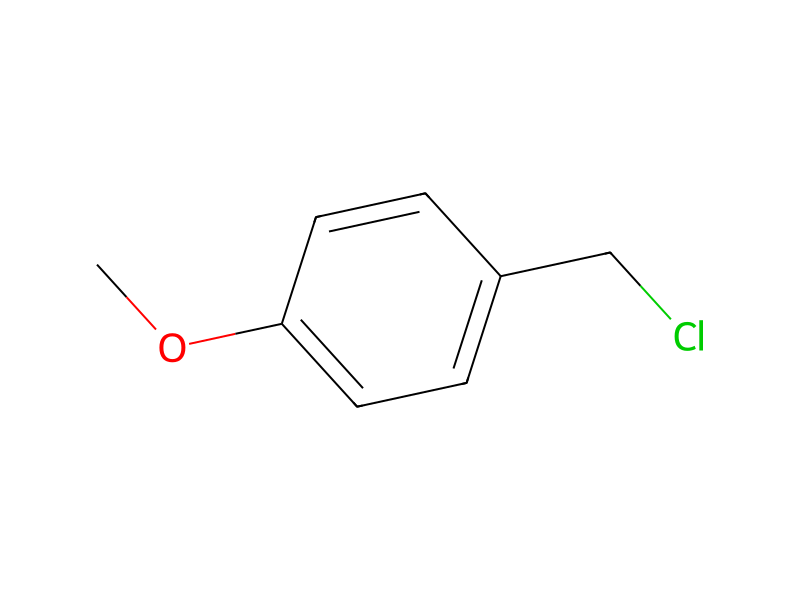
[CH2:1]1[O:11][CH:4]([C:5]2[CH:10]=[CH:9][CH:8]=[CH:7][N:6]=2)[O:3][CH2:2]1.[CH3:12][O:13][C:14]1[CH:21]=[CH:20][C:17]([CH2:18][Cl:19])=[CH:16][CH:15]=1.S1(CCCC1)(=O)=O>>[Cl-:19].[CH2:2]1[O:3][CH:4]([CH:5]2[CH:10]=[CH:9][CH:8]=[CH:7][N:6]2[CH2:18][C:17]2[CH:20]=[CH:21][C:14]([O:13][CH3:12])=[CH:15][CH:16]=2)[O:11][CH2:1]1Participants
4



Conditions
- Temperature
- 95 °C
Procedure
A mixture of pyridine-2-carboxaldehyde ethylene acetal (20 g; 0.13 mol), 4-methoxybenzyl chloride (21.2 g; 0.13 mol), and sulfolane (5 ml) in a 250 ml reaction flask was heated under nitrogen to 95° C. with stirring for 4 hours and then the mixture was allowed to react at room temperature overnight. The organic solvent was decanted, the resulting gummy precipitate was triturated with ethyl acetate :hexane (2:8), refluxed with stirring, and cooled. The solvent was decanted to yield 1-(p-methoxybenzyl)pyridine-2-carboxaldehyde ethylene acetal chloride (Formula IX: R1 =R7 =H; R2 =4'--OCH3 ; Z- =Cl-).
Workup
- customin a 250 ml reaction flask
- customto react at room temperature overnight
- customThe organic solvent was decanted
- customthe resulting gummy precipitate was triturated with ethyl acetate :hexane (2:8)
- temperaturerefluxed
- stirringwith stirring
- temperaturecooled
- customThe solvent was decanted
Sources & evidence
- ORD record
- ord-ed768a0d68b64113b755f712679d4d8f
- Source dataset
- uspto-grants-1995_01
- Patent number
- US05380729
Reaction notes
Loading…