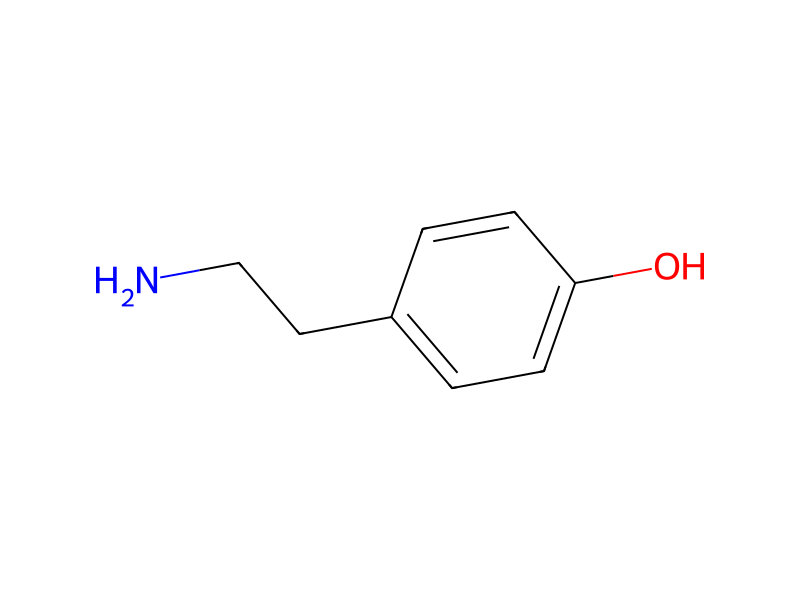
Tyramine → HCID 71512980, compound
Reaction equation

[C:1]12([C:11]3[CH:12]=[C:13]([CH:17]=[CH:18][C:19]=3[O:20][CH3:21])[C:14]([OH:16])=O)[CH2:10][CH:5]3[CH2:6][CH:7]([CH2:9][CH:3]([CH2:4]3)[CH2:2]1)[CH2:8]2.[NH2:22][CH2:23][CH2:24][C:25]1[CH:30]=[CH:29][C:28]([OH:31])=[CH:27][CH:26]=1>>[C:1]12([C:11]3[CH:12]=[C:13]([CH:17]=[CH:18][C:19]=3[O:20][CH3:21])[C:14]([NH:22][CH2:23][CH2:24][C:25]3[CH:30]=[CH:29][C:28]([OH:31])=[CH:27][CH:26]=3)=[O:16])[CH2:10][CH:5]3[CH2:6][CH:7]([CH2:9][CH:3]([CH2:4]3)[CH2:2]1)[CH2:8]2Participants
3


Procedure
0.03 g of the target compound is obtained as white solid in substantially the same manner as in Example 11, except for using 3-adamantan-1-yl-4-methoxybenzoic acid instead of 3-adamantan-1-yl-4-hydroxybenzoic acid and using tyramine instead of 3,4-dihydroxybenzylamine.
Sources & evidence
- ORD record
- ord-3a3d61eac0864edb950acbef4733e364
- Source dataset
- uspto-grants-2016_02
- Patent number
- US09254251B2
Reaction notes
Loading…