Sulfuric Acid → Methyl 4-amino-5-fluoro-3-chloro-6-(4-chlorophenyl)picolinate
Reaction equation

COC1C=CC([NH:9][C:10]2[C:15]([F:16])=[C:14]([C:17]3[CH:22]=[CH:21][C:20]([Cl:23])=[CH:19][CH:18]=3)[N:13]=[C:12]([C:24]([O:26][CH3:27])=[O:25])[CH:11]=2)=CC=1.[Cl:28]N1C(C)(C)C(=O)N(Cl)C1=O.S(=O)(=O)(O)O.C(Cl)Cl>C(#N)C.O>[NH2:9][C:10]1[C:15]([F:16])=[C:14]([C:17]2[CH:22]=[CH:21][C:20]([Cl:23])=[CH:19][CH:18]=2)[N:13]=[C:12]([C:24]([O:26][CH3:27])=[O:25])[C:11]=1[Cl:28]Participants
6
Reactant 4



Product 1

Reagents, catalysts & solvents 1
Procedure
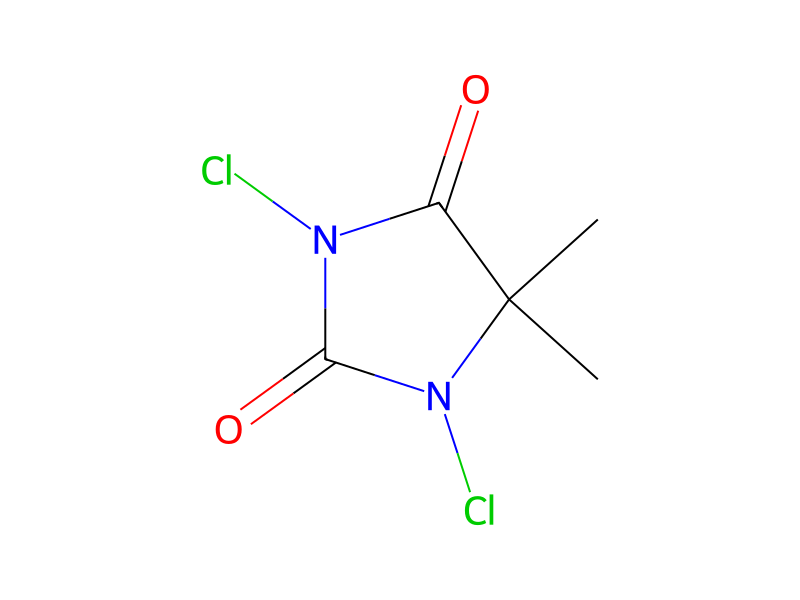
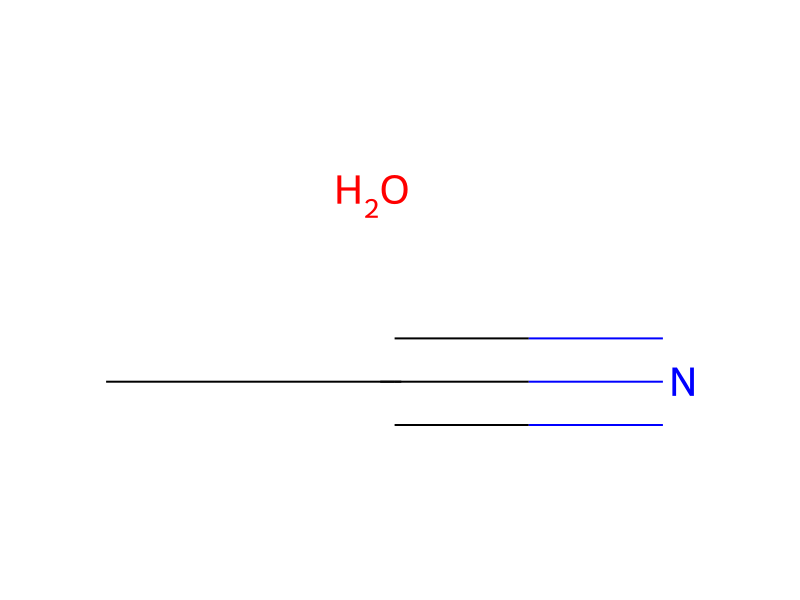
In a typical reaction accomplishing both chlorination and deprotection, methyl 4-(4-methoxyphenylamino)-5-fluoro-6-(4-chlorophenyl)picolinate is reacted with about two equivalents of 1,3-dichloro-5,5-dimethylimidazolidine-2,4-dione in the presence of a 1 M (molar) solution of sulfuric acid in a mixture of acetonitrile/water. The mixture is heated at reflux until the reaction is complete. The mixture is added to methylene chloride and the organic layer is separated, washed with brine and dried. The solvent is evaporated to provide crude methyl 4-amino-5-fluoro-3-chloro-6-(4-chlorophenyl)picolinate.
Workup
- customIn a typical reaction
- temperatureThe mixture is heated
- temperatureat reflux until the reaction
- customthe organic layer is separated
- washwashed with brine
- customdried
- customThe solvent is evaporated
Sources & evidence
- ORD record
- ord-e9c59ea5d0594784b7fa0121174f2fcd
- Source dataset
- uspto-grants-2016_02
- Patent number
- US09260392B2
Reaction notes
Loading…