N-bromobutanimide → HCID 83913406, compound
Reaction equation

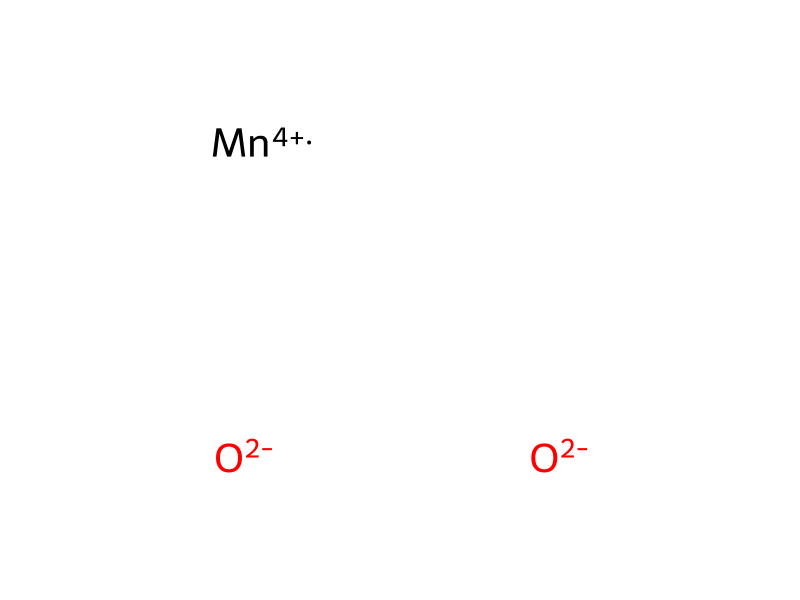
[CH3:1][N:2]1[C:6]([CH2:7][OH:8])=[CH:5][C:4]([C:9]2[CH:14]=[CH:13][CH:12]=[CH:11][CH:10]=2)=[N:3]1.[Br:15]N1C(=O)CCC1=O>C(#N)C.[O-2].[O-2].[Mn+4]>[Br:15][C:5]1[C:4]([C:9]2[CH:14]=[CH:13][CH:12]=[CH:11][CH:10]=2)=[N:3][N:2]([CH3:1])[C:6]=1[CH:7]=[O:8]Participants
Reactant 2


Product 1

Reagents, catalysts & solvents 2

Procedure
A solution of (1-methyl-3-phenyl-1H-pyrazol-5-yl)methanol (1b) (340 mg, 1.81 mmol) and N-bromosuccinimide (338 mg, 1.90 mmol) in acetonitrile (30 mL) was stirred at room temperature for 1 hour. The reaction mixture was concentrated in vacuo. Water (10 mL) was added and the aqueous layer was extracted with ethyl acetate (2×12 mL). The organic layer was dried over sodium sulfate and concentrated in vacuo. The residue was taken in dichloromethane (5 mL) and manganese dioxide (1.57 g, 18.06 mmol) was added. The reaction mixture was stirred at room temperature for 40 hours, filtered over Celite®, and the filtrate was concentrated in vacuo. The residue was dissolved in a minimum of dichloromethane and purified thought a pad of silice, (cyclohexane/ethyl acetate 80/20), to provide 4-bromo-1-methyl-3-phenyl-1H-pyrazole-5-carbaldehyde (1c) (304 mg, 1.15 mmol, 63%).
Workup
- concentrationThe reaction mixture was concentrated in vacuo
- additionWater (10 mL) was added
- extractionthe aqueous layer was extracted with ethyl acetate (2×12 mL)
- dry with materialThe organic layer was dried over sodium sulfate
- concentrationconcentrated in vacuo
- filtrationfiltered over Celite®
- concentrationthe filtrate was concentrated in vacuo
- dissolutionThe residue was dissolved in a minimum of dichloromethane
- custompurified
Sources & evidence
- ORD record
- ord-76df916a95ee420094d8cb4bf9d3b281
- Source dataset
- uspto-grants-2016_02
- Patent number
- US09260395B2
Reaction notes
Loading…