P-Anisidine → HCID 78322065, compound
Reaction equation

[C:1]1([N:7]2[C:12](=[O:13])[C:11]3[S:14][CH:15]=[C:16]([C:17]4[CH:22]=[CH:21][CH:20]=[CH:19][CH:18]=4)[C:10]=3[N:9]=[CH:8]2)[CH:6]=[CH:5][CH:4]=[CH:3][CH:2]=1.NC1C(C2C=CC=[C:31]([O:35]C)C=2)=CSC=1C(OC)=O.[CH:41](OCC)(OCC)[O:42]CC.COC1C=CC(N)=CC=1>C(O)(=O)C>[CH3:31][O:35][C:21]1[CH:22]=[C:17]([C:16]2[C:10]3[N:9]=[CH:8][N:7]([C:1]4[CH:6]=[CH:5][C:4]([O:42][CH3:41])=[CH:3][CH:2]=4)[C:12](=[O:13])[C:11]=3[S:14][CH:15]=2)[CH:18]=[CH:19][CH:20]=1Participants
6




Procedure
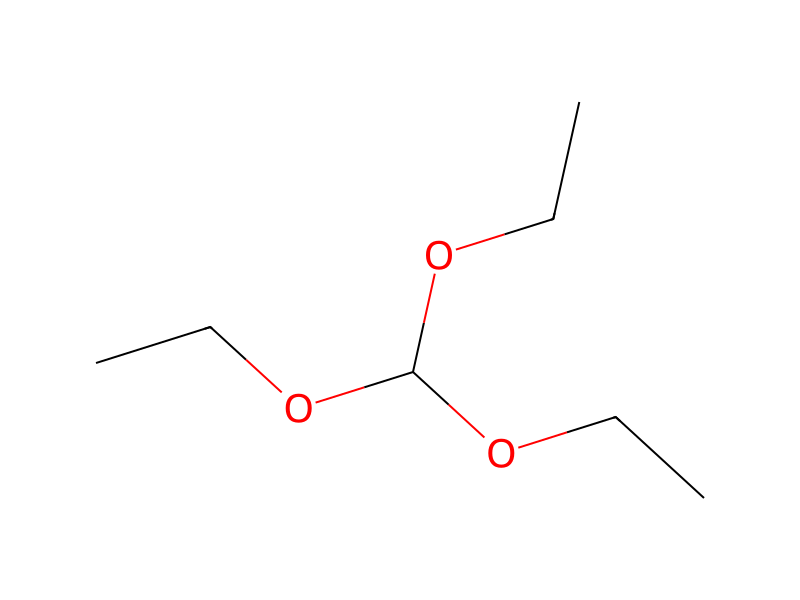
In the same manner as the synthesis of Compound 1, methyl 3-amino-4-(3-methoxyphenyl)thiophene-2-carboxylate (80 mg, 0.3 mmol), triethyl orthoformate (0.66 ml), p-anisidine (70.2 mg, 0.57 mmol), and acetic acid (0.08 ml) were used to give 56 mg (0.15 mmol, 51.2% yield) of the title compound.
Sources & evidence
- ORD record
- ord-b2cde269a41347909209124955bcac67
- Source dataset
- uspto-grants-2016_02
- Patent number
- US09260448B2
Reaction notes
Loading…