Acetic Acid → HCID 22595831, compound
Reaction equation

[NH2:1][C:2]1[N:7]=[C:6]([Cl:8])[CH:5]=[C:4]([NH2:9])[N:3]=1.[NH:10]1[CH2:15][CH2:14][O:13][CH2:12][CH2:11]1.[N:16]([O-])=O.[Na+].C(O)(=O)C.[OH-].[Na+].[O-]S(S([O-])=O)=O.[Na+].[Na+]>O>[ClH:8].[ClH:8].[NH2:1][C:2]1[N:7]=[C:6]([N:10]2[CH2:15][CH2:14][O:13][CH2:12][CH2:11]2)[C:5]([NH2:16])=[C:4]([NH2:9])[N:3]=1Participants







Conditions
- Temperature
- 21 °C
Procedure
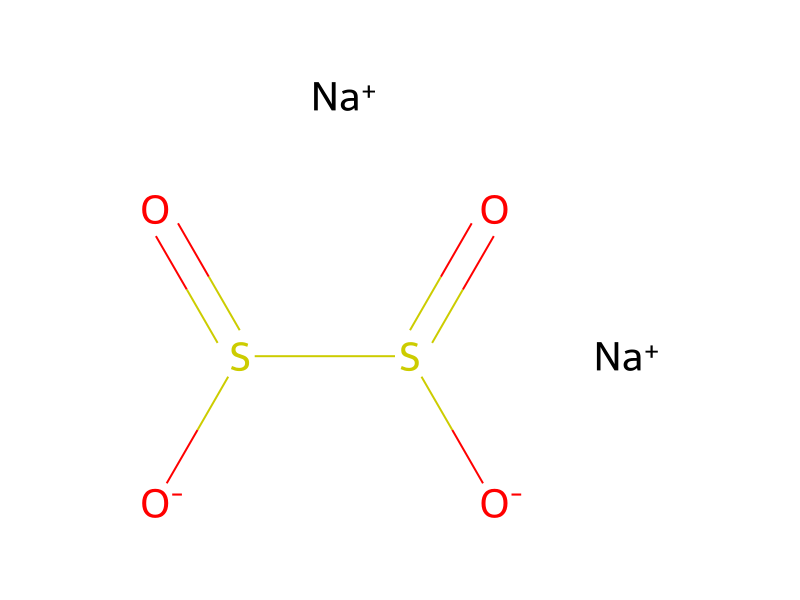
In a 10 L 4-neck flask equipped with a mechanical stirrer, a thermometer and a heating mantle was placed 2,6-diamino-4-chloropyrimidine (870.5 g; 6.0 mol) In water (3190 ml). To the stirred resulting white suspension was added morpholine (1113 g; 12.8 moles) in one portion. The temperature raised from 14 to 28° C. and the mixture was heated until at 75° C. a clear solution was obtained and refluxed for 16 hours. After complete conversion of the starting material (controlled by HPLC analysis) the reaction mixture was cooled to room temperature and NaNO2 (465 g, 6.74 mole) was added in three portions. No heat effect was observed but the product precipitated out of the mixture. During subsequent dropwise addition of acetic acid (600 g, 9.0 moles) the mixture became so thick that faster stirring and additional water (850 mL) were necessary to achieve a well mixable suspension. A temperature raise from 15 to 28° C. was measured. After stirring for 2 hours, HPLC analysis showed complete conversion. The mixture was then allowed to cool down to room temperature and transferred to a 20 L flask. To the add (pH 4) purple slurry was added water (3500 mL) and then an aqueous NaOH solution (165 g in 825 mL) in order to neutralise to pH 7. The suspension was cooled down to 10-12° C. in an ice-water bath and Na2S2O4 (4.68 kg, 26.9 moles) was added in portions of about 500 g at 5 minutes intervals. A temperature raise to 30° C. was observed. The mixture was left stirring overnight at room temperature before being analysed (HPLC: 99.3% conversion). The suspension was filtered over filter cloth and the wet cake was washed with 2.77 L water leaving 1.5 kg of wet material which was slurried in isopropanol (10.2 L) and to the suspension was added dropwise 36% HCl/H2O (1.16 L) during which the temperature raised from 15 to 30° C. Subsequent heating of the slurry to 40° C. afforded an almost clear solution and crystallisation started suddenly showing an exotherm to 50° C. The suspension was cooled down to room temperature before the suspension was filtered over filter cloth. The wet cake was again slurried in isopropanol (5.0 L), again filtered over filter cloth and dried at 40° C. in vacuo (200 mbar) for several days. According to this procedure was obtained 1.2 kg (yield 54.1%) of 2,5,6-triamino-4-morpholino-pyrimidine dihydrochloride with a purity above 99.9% and characterised as follows: UV (MeOH, nm): 225, 254.
Workup
- customIn a 10 L 4-neck flask equipped with a mechanical stirrer
- customTo the stirred resulting white suspension
- temperaturethe mixture was heated until at 75° C. a clear solution
- customwas obtained
- temperaturerefluxed for 16 hours
- temperatureAfter complete conversion of the starting material (controlled by HPLC analysis) the reaction mixture was cooled to room temperature
- customthe product precipitated out of the mixture
- temperatureA temperature raise from 15 to 28° C.
- stirringAfter stirring for 2 hours
- temperatureto cool down to room temperature
- customtransferred to a 20 L flask
- additionTo the add (pH 4) purple slurry
- temperatureThe suspension was cooled down to 10-12° C. in an ice-water bath
- temperatureA temperature raise to 30° C.
- waitThe mixture was left
- stirringstirring overnight at room temperature
- filtrationThe suspension was filtered
- filtrationover filter cloth
- washthe wet cake was washed with 2.77 L water leaving 1.5 kg of wet material which
- additionwas added dropwise 36% HCl/H2O (1.16 L) during which the temperature
- temperatureraised from 15 to 30° C
- temperatureSubsequent heating of the slurry to 40° C.
- customafforded
- customan almost clear solution and crystallisation
- customexotherm to 50° C
- temperatureThe suspension was cooled down to room temperature before the suspension
- filtrationwas filtered
- filtrationover filter cloth
- filtrationagain filtered
- filtrationover filter cloth
- customdried at 40° C. in vacuo (200 mbar) for several days
Sources & evidence
- ORD record
- ord-2a52eb2a457545149d25ef6aa9099ef1
- Source dataset
- uspto-grants-2009_03
- Patent number
- US07501513B2
Reaction notes
Loading…