1,1-Dichloroethane → HCID 22038034, compound
Reaction equation

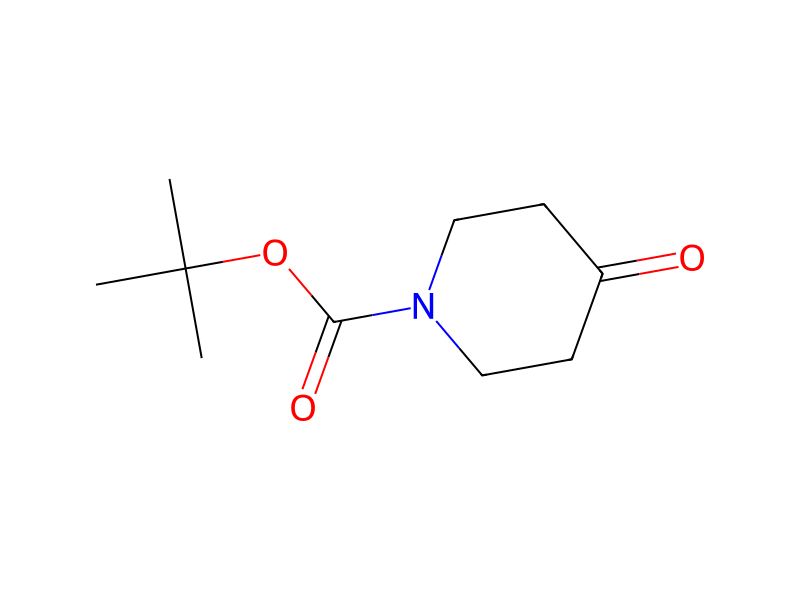
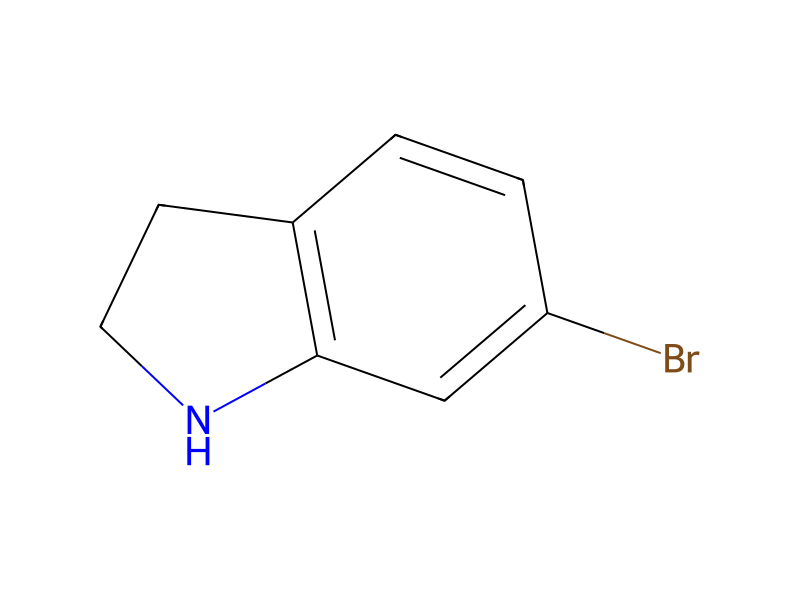
[Br:1][C:2]1[CH:10]=[C:9]2[C:5]([CH2:6][CH2:7][NH:8]2)=[CH:4][CH:3]=1.[C:11]([O:15][C:16]([N:18]1[CH2:23][CH2:22][C:21](=O)[CH2:20][CH2:19]1)=[O:17])([CH3:14])([CH3:13])[CH3:12].ClC(Cl)C>C(O)(=O)C>[C:11]([O:15][C:16]([N:18]1[CH2:23][CH2:22][CH:21]([N:8]2[C:9]3[C:5](=[CH:4][CH:3]=[C:2]([Br:1])[CH:10]=3)[CH2:6][CH2:7]2)[CH2:20][CH2:19]1)=[O:17])([CH3:14])([CH3:12])[CH3:13]Participants
5
Reactant 3

Product 1

Reagents, catalysts & solvents 1

Procedure
Triacetoxylated sodium borohydride (11.7 g) was added to a mixture of 6- bromoindoline (8.3 g), 1-(t-butoxycarbonyl)-4-piperidone (10 g, [CAS Registry No. 7909-07-3]), acetic acid (14.9 g) and dichloroethane (200 ml) followed by stirring overnight. Then the reaction solution was concentrated under reduced pressure, and the pH value thereof was adjusted to 9 with ethyl acetate, an 8 N aqueous solution of sodium hydroxide and water and the layers were separated. The organic layer was washed with brine, dried over anhydrous magnesium sulfate and concentrated under reduced pressure. The resulting residue was purified by silica gel column chromatography (hexane/ethyl acetate system) to give the title compound (10.3 g) (yield: 64%).
Workup
- concentrationThen the reaction solution was concentrated under reduced pressure
- customan 8 N aqueous solution of sodium hydroxide and water and the layers were separated
- washThe organic layer was washed with brine
- dry with materialdried over anhydrous magnesium sulfate
- concentrationconcentrated under reduced pressure
- customThe resulting residue was purified by silica gel column chromatography (hexane/ethyl acetate system)
Sources & evidence
- ORD record
- ord-2a3e382943c5490cadfd94645bfca5a0
- Source dataset
- uspto-grants-2006_07
- Patent number
- US07071201B2
Reaction notes
Loading…