Water → HCID 22025424, compound
Reaction equation

[Cl:1][C:2]1[CH:3]=[C:4]2[C:9](=[O:10])[N:8]([CH2:11][CH:12]([CH3:14])[CH3:13])[C:6](=[O:7])[C:5]2=[CH:15][CH:16]=1.O>CO.[BH4-].[K+]>[Cl:1][C:2]1[CH:3]=[C:4]2[C:5](=[CH:15][CH:16]=1)[C:6](=[O:7])[N:8]([CH2:11][CH:12]([CH3:13])[CH3:14])[CH:9]2[OH:10]Participants
Reactant 2


Product 1

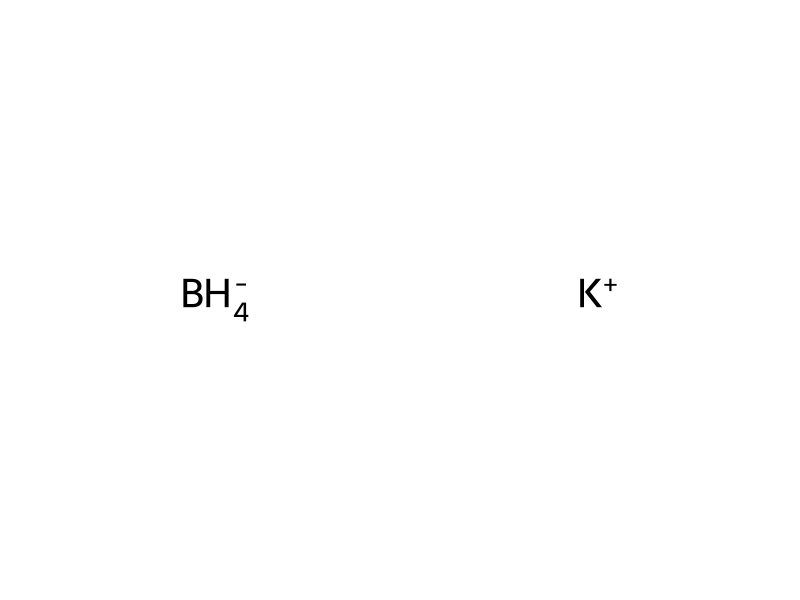
Reagents, catalysts & solvents 2

Conditions
- Temperature
- 20 °C
Procedure
5-Chloro-3-hydroxy-2-isobutyl-2,3-dihydroisoindol-1-one and 6-chloro-3-hydroxy-2isobutyl-2,3-dihydroinsoindol-1-one are prepared as described in Example 1, starting with 12 g of 4-chloro-N-isobutylphthalimide in 100 cm3 of methanol and 3 g of potassium borohydride. The reaction mixture is stirred at a temperature in the region of 20° C. for 20 hours and is then cooled to a temperature in the region of 0° C. and 100 cm3 of distilled water are added dropwise. The methanol is then partially evaporated off under reduced pressure (2 kPa) at a temperature in the region of 40° C. The aqueous phase is extracted twice with 150 cm3 of ethyl acetate. The organic extracts are combined, washed with 50 cm3 of brine, dried over magnesium sulfate, filtered and then concentrated to dryness under reduced pressure (2 kPa) at a temperature in the region of 40° C. The residue is dried in a desiccator under reduced pressure (2 kPa) at a temperature in the region of 20° C. 12 g of 5-chloro-3-hydroxy-2-isobutyl-2,3-dihydroinsoindol-1-one and 6-chloro-3-hydroxy-2-isobutyl-2,3-dihydroisoindol-1-one are thus obtained in the form of a white powder. (Rf=0.15, thin layer chromatography on silica gel, eluent: cyclohexane/ethyl acetate (75/25 by volume)).
Workup
- additionare added dropwise
- customThe methanol is then partially evaporated off under reduced pressure (2 kPa) at a temperature in the region of 40° C
- extractionThe aqueous phase is extracted twice with 150 cm3 of ethyl acetate
- washwashed with 50 cm3 of brine
- dry with materialdried over magnesium sulfate
- filtrationfiltered
- concentrationconcentrated to dryness under reduced pressure (2 kPa) at a temperature in the region of 40° C
- customThe residue is dried in a desiccator under reduced pressure (2 kPa) at a temperature in the region of 20° C
Sources & evidence
- ORD record
- ord-3b0e4232745a415f84ee421773f9dc6f
- Source dataset
- uspto-grants-2006_07
- Patent number
- US07078428B2
Reaction notes
Loading…