Triethyl phosphite → Diethyl [(3,4-dichlorophenyl)methyl]phosphonate
Reaction equation

C([O:3][P:4]([O:8][CH2:9][CH3:10])[O:5][CH2:6][CH3:7])C.[Cl:11][C:12]1[CH:13]=[C:14]([CH:17]=[CH:18][C:19]=1[Cl:20])[CH2:15]Br.P([O-])([O-])[O-]>>[CH2:9]([O:8][P:4]([CH2:15][C:14]1[CH:17]=[CH:18][C:19]([Cl:20])=[C:12]([Cl:11])[CH:13]=1)(=[O:3])[O:5][CH2:6][CH3:7])[CH3:10]Participants
4
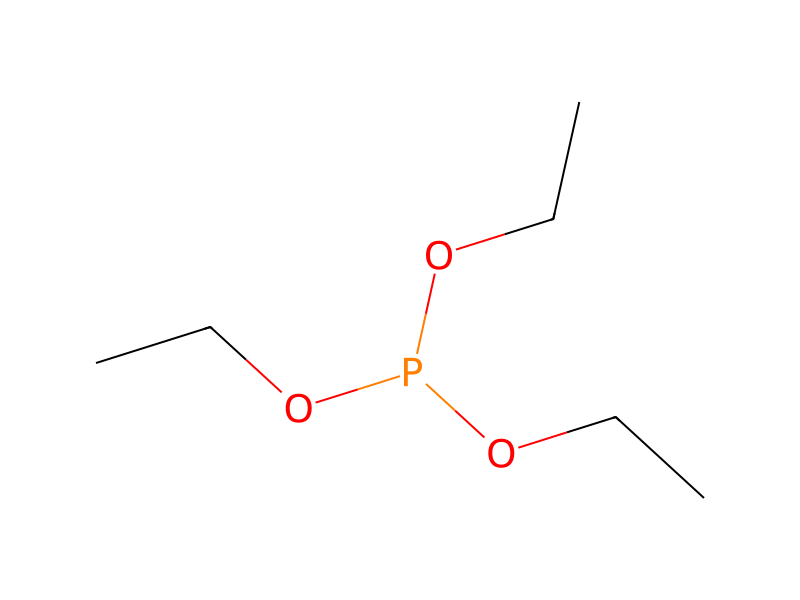
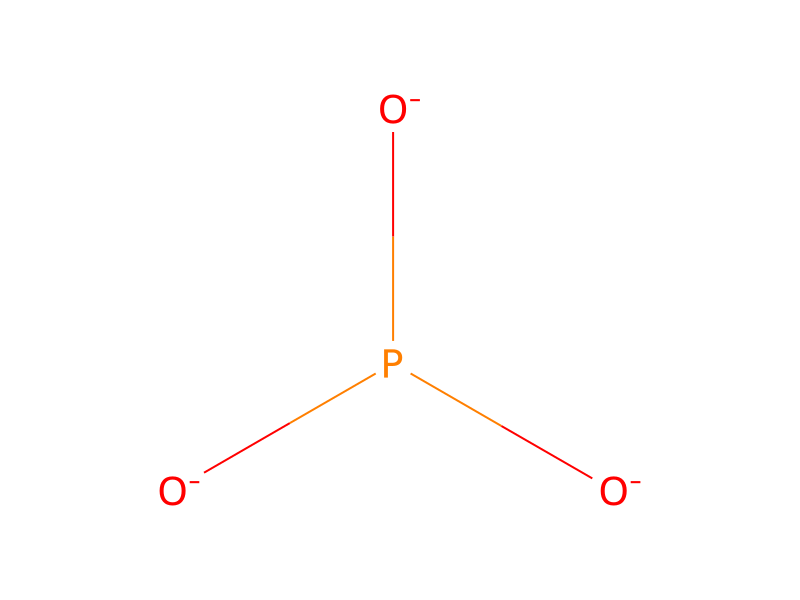


Conditions
- Temperature
- 80 °C
Procedure
Triethylphosphite (4.28 ml) was added dropwise to 3,4-dichlorobenzylbromide (6.0 g, 25 mmol) at rt with stirring. After 1 ml of triethylphosphite was added, the mixture was heated to 80° C. until an exothermic reaction was started. The remaining phosphite was added at a rate sufficient to maintain the reflux. After the addition was completed, the mixture was heated to reflux for 1 h and allowed to cool. The crude product was distilled under vacuum at 155–158° C./1–2 torr to afford (3,4-dichlorobenzyl)-phosphonic acid diethyl ester (6.5 g).
Workup
- temperatureto maintain the reflux
- additionAfter the addition
- temperaturethe mixture was heated
- temperatureto reflux for 1 h
- temperatureto cool
- distillationThe crude product was distilled under vacuum at 155–158° C./1–2 torr
Sources & evidence
- ORD record
- ord-9206c04afd5e46ee8b918e129e7dcd7a
- Source dataset
- uspto-grants-2006_07
- Patent number
- US07081531B2
Reaction notes
Loading…