2-(Chloromethyl)-2,3-dihydro-1,4-benzodioxin → HCID 15541331, compound
Reaction equation

Cl[CH2:2][CH:3]1[O:8][C:7]2[CH:9]=[CH:10][CH:11]=[CH:12][C:6]=2[O:5][CH2:4]1.[N+:13]([C:16]1[CH:17]=[C:18]([N:22]2[CH2:27][CH2:26][NH:25][CH2:24][CH2:23]2)[CH:19]=[CH:20][CH:21]=1)([O-])=O.C(=O)([O-])O.[K+]>CCCCC(=O)C>[O:8]1[C:7]2[CH:9]=[CH:10][CH:11]=[CH:12][C:6]=2[O:5][CH2:4][CH:3]1[CH2:2][N:25]1[CH2:24][CH2:23][N:22]([C:18]2[CH:17]=[C:16]([CH:21]=[CH:20][CH:19]=2)[NH2:13])[CH2:27][CH2:26]1Participants
5
Reactant 3


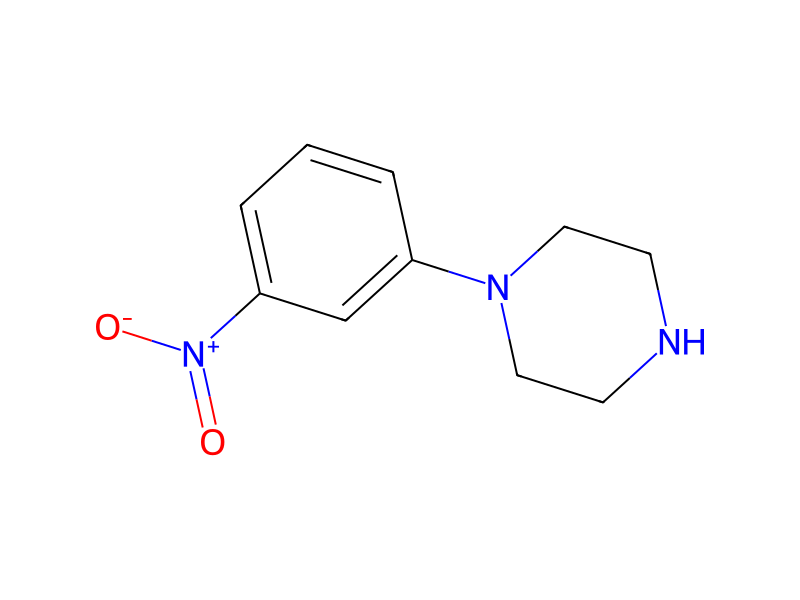
Product 1

Reagents, catalysts & solvents 1
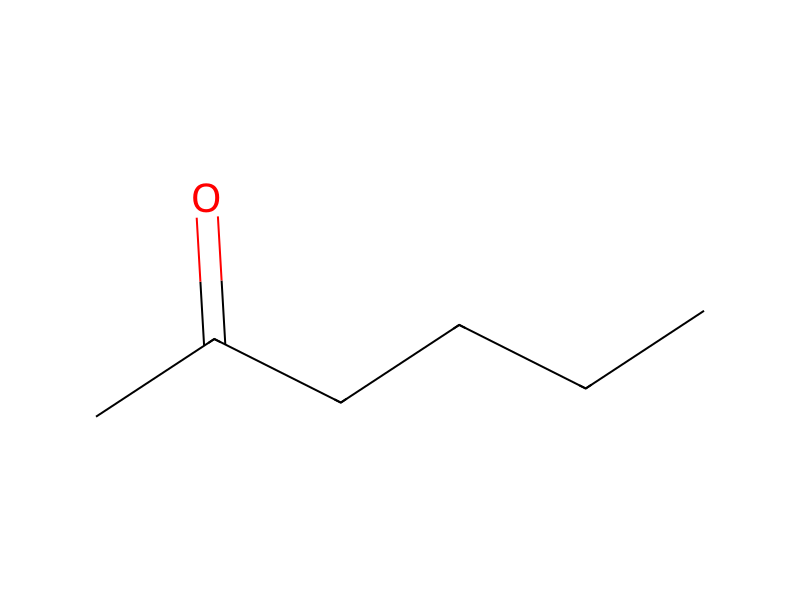
Procedure
A solution of 54.2 mmol (10 g) of 2-chloromethyl-2,3-dihydro-1,4-benzodioxin, 54.2 mmol (9.2 g) of 3-nitrophenylpiperazine and 6 g of potassium hydrogen carbonate in 100 ml of methyl-4-pentanone is heated at reflux for 72 hours. After cooling, the reaction mixture is concentrated. The residue is taken up in 200 ml of water and extracted with 200 ml of dichloromethane. The organic phase is dried over magnesium sulphate, concentrated and purified by chromatography on silica gel, using as eluant a 99/1/0.1 dichloromethane/methanol/ammonium hydroxide mixture, to yield the expected product.
Workup
- temperatureat reflux for 72 hours
- temperatureAfter cooling
- concentrationthe reaction mixture is concentrated
- extractionextracted with 200 ml of dichloromethane
- dry with materialThe organic phase is dried over magnesium sulphate
- concentrationconcentrated
- custompurified by chromatography on silica gel
Sources & evidence
- ORD record
- ord-94fc9a147e76413cb18075da90909d92
- Source dataset
- uspto-grants-2006_04
- Patent number
- US07026357B2
Reaction notes
Loading…