Hydrochloric Acid → HCID 67220395, compound
Reaction equation

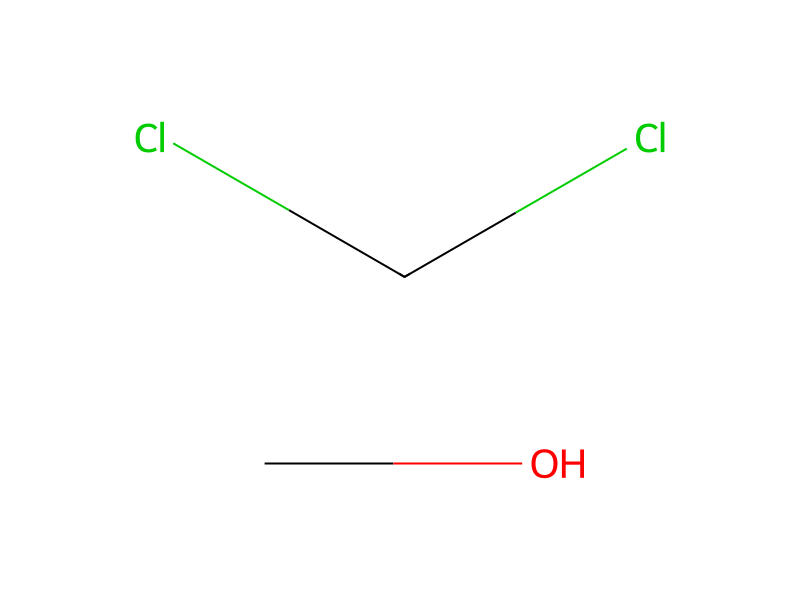
[F:1][C:2]1[C:24]([CH3:25])=[CH:23][C:5]2[N:6]([CH:10]3[CH2:15][CH2:14][N:13](C(OC(C)(C)C)=O)[CH2:12][CH2:11]3)[C:7](=[O:9])[O:8][C:4]=2[CH:3]=1.Cl>ClCCl.CO.ClCCl>[F:1][C:2]1[C:24]([CH3:25])=[CH:23][C:5]2[N:6]([CH:10]3[CH2:11][CH2:12][NH:13][CH2:14][CH2:15]3)[C:7](=[O:9])[O:8][C:4]=2[CH:3]=1Participants
5
Reactant 2


Product 1

Reagents, catalysts & solvents 2

Procedure
1,1-Dimethylethyl 4-(6-fluoro-5-methyl-2-oxo-1,3-benzoxazol-3(2H)-yl)-1-piperidine carboxylate (D2, 546 mg, 1.14 mmol) was dissolved in dichloromethane (10 mL) at rt. HCl (10 mL, 40 mmol, 4 M in 1,4-dioxane) was added and the reaction was stirred overnight. It was then concentrated by rotary evaporation to give a pale brown solid. The residue was dissolved in methanol/dichloromethane and purified by SCX (5 g, eluting with methanol, followed by 2 M ammonia in methanol). The ammonia/methanol fraction was concentrated by rotary evaporation to give 6-fluoro-5-methyl-3-(4-piperidinyl)-1,3-benzoxazol-2(3H)-one (D3, 318 mg, 72% purity, 80% yield) as an orange oil.
Workup
- concentrationIt was then concentrated by rotary evaporation
- customto give a pale brown solid
- custompurified by SCX (5 g, eluting with methanol, followed by 2 M ammonia in methanol)
- concentrationThe ammonia/methanol fraction was concentrated by rotary evaporation
Sources & evidence
- ORD record
- ord-08d60e7207254ae18fdd8aeef45d5b79
- Source dataset
- uspto-grants-2013_01
- Patent number
- US08344000B2
Reaction notes
Loading…