3-Bromobenzaldehyde → HCID 59249568, compound
Reaction equation

[Cl:1][C:2]1[CH:7]=[CH:6][C:5]([CH2:8][C:9]#[N:10])=[C:4]([F:11])[CH:3]=1.[Br:12][C:13]1[CH:14]=[C:15]([CH:18]=[CH:19][CH:20]=1)[CH:16]=O.C[O-].[Na+]>CO>[Br:12][C:13]1[CH:14]=[C:15](/[CH:16]=[C:8](/[C:5]2[CH:6]=[CH:7][C:2]([Cl:1])=[CH:3][C:4]=2[F:11])\[C:9]#[N:10])[CH:18]=[CH:19][CH:20]=1Participants
5
Reactant 3
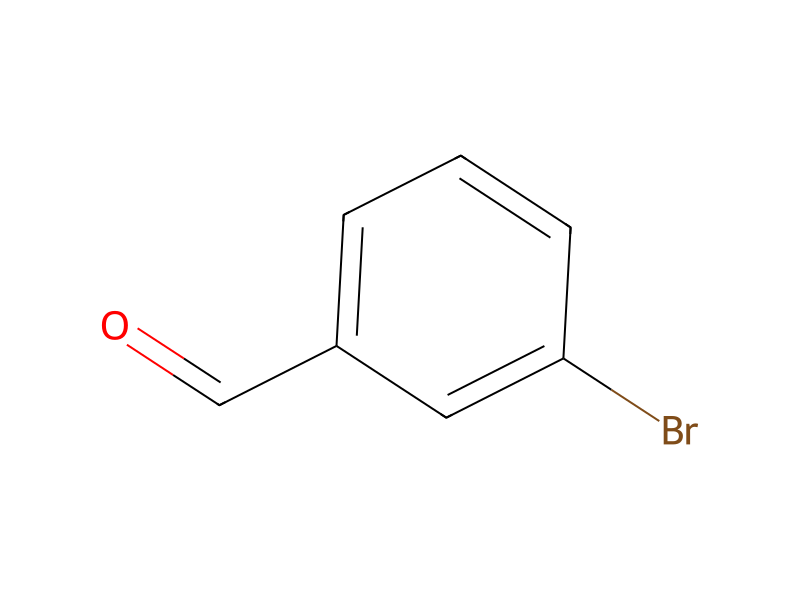


Product 1

Reagents, catalysts & solvents 1

Procedure
In a manner similar to the method described in Example 1b, 4-chloro-2-fluorophenylacetonitrile (1.9 g, 11 mmol) was reacted with 3-bromobenzaldehyde (Aldrich) (1.57 mL, 13.4 mmol), methanolic solution (25 wt %) of sodium methoxide (2.8 mL, 12 mmol) in methanol (50 mL) at 50° C. for 3 h to give (Z)-3-(3-bromo-phenyl)-2-(4-chloro-2-fluoro-phenyl)-acrylonitrile as a white powder (2.3 g, 60%).
Sources & evidence
- ORD record
- ord-60fd80c0ece245238782099a4993f308
- Source dataset
- uspto-grants-2013_01
- Patent number
- US08354444B2
Reaction notes
Loading…