Citric Acid → N-acetylmelphalan
Reaction equation

[CH:1]1[C:6]([CH2:7][C@H:8]([NH2:12])[C:9]([OH:11])=[O:10])=[CH:5][CH:4]=[C:3]([N:13]([CH2:17][CH2:18][Cl:19])[CH2:14][CH2:15][Cl:16])[CH:2]=1.C(=O)([O-])[O-].[Na+].[Na+].[C:26](OC(=O)C)(=[O:28])[CH3:27].C(O)(=O)CC(CC(O)=O)(C(O)=O)O>O.O1CCOCC1>[CH3:27][C:26]([NH:12][CH:8]([C:9]([OH:11])=[O:10])[CH2:7][C:6]1[CH:5]=[CH:4][C:3]([N:13]([CH2:14][CH2:15][Cl:16])[CH2:17][CH2:18][Cl:19])=[CH:2][CH:1]=1)=[O:28]Participants
7
Reactant 4
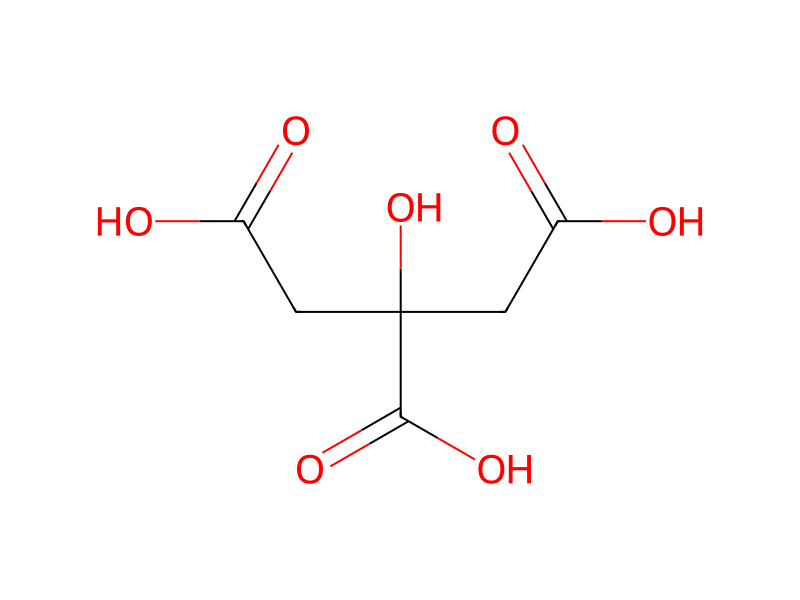



Product 1

Reagents, catalysts & solvents 2


Procedure
600 mg of melphalan (63) is suspended in 25 ml of water containing 500 mg of sodium carbonate. 10 ml of dioxane is added and 1 ml of acetic anhydride. After stirring at ambient temperature for 1 h citric acid is added and the mixture extracted with ethyl acetate. After washing with water and brine the organic phase is dried (sodium sulfate) and concentrated in vacuum. Removal of all volatiles yields the crude N-acetylmelphalan that is carried on to the next step without further purification.
Workup
- additionis added
- extractionthe mixture extracted with ethyl acetate
- washAfter washing with water and brine the organic phase
- dry with materialis dried (sodium sulfate)
- concentrationconcentrated in vacuum
- customRemoval of all volatiles
Sources & evidence
- ORD record
- ord-3df490b43a5a4d49a69a08a3ed117c2a
- Source dataset
- uspto-grants-2013_01
- Patent number
- US08357506B2
Reaction notes
Loading…